






The 1930’s Cars Chugged Along Despite the Great Depression – Here’s A Little History & The Greatest Cars Of The 1930s
1930s Car Innovations
Most 1930’s cars had four-wheel hydraulic brakes. Low-pressure balloon tires took the place of hard-riding high-pressure tires. During the 1930’s most cars were also equipped with heaters and radios. At this time cars also began to take on a smoother shape, more aerodynamic in design, hence offering less wind resistance.
The 1930 Cadillac 16 is the industry’s first production car to offer sixteen-cylinder engine and immediately sets a new standard for power, performance, and luxury. Another one of those great 1930’s cars
At the beginning of the Thirties the American 1930’s cars had also foot boards, sunshades on the windscreen of the car, separate drum formed headlights and also rear lights attached to the car by connecting rods. American cars appeared with rounded edges, headlights build within the chassis of the car, but also the driving comfort improved. The radiator grille and shell were titled back slightly, which made the 1930s automobiles looking like more speedier. Affordable security glass was used as windscreens. Low pressure inner tube tires and also windscreen wipers appeared on the American cars during the Thirties mostly as safety measures.
In the 1930s, a wide variety of automobile manufacturers were also offering increasingly sophisticated and beautiful vehicles — especially for the fortunate few who lived in luxury during the Great Depression. The luxury 1930’s cars saw the implementation of new manufacturing methods, new inventions (e.g., the automatic transmission), new engines (e.g., the V-8, the V-12, and the V-16), in addition to the rise of automotive stylists, such as Harley Earl.
The 1930’s cars, in contrast to the style-conscious luxury days of the 1920s — saw a renewed emphasis on the mechanical qualities of cars. Many new innovations were introduced into the 1930’s cars, and became common by the end of, the 1930s, including: synchromesh transmissions (for smoothing shifting), automatic chokes, built-in trunks, hydraulic brakes, and gear shifts mounted on steering columns (“stick-on-a-tree”).
All through the 1930s, GM engineers and designers made continual improvements in 1930’s cars’ frames, bodies, engines, and transmissions. In 1933, GM added no-draft ventilation to all its cars and developed independent front-wheel suspension. In 1936, Knee-Action suspension made Chevrolets an even smoother ride. All 1937 GM automobiles of the 1930s makes featured an all-steel body and optional windshield defrosters. In 1938, a car radio was introduced as an option on Buicks, and GM’s Harley Earl designed a historic one-off: the Buick Y Job. The world’s first “concept car” prefaced a generation of dream cars and anticipated the styling of the 1940s cars. Featuring a revolutionary flowing look, it had power windows, a power convertible top, power door locks, and power steering. In the late 1930s GM changed the economy of trucks and trains by perfecting the 2-cycle diesel engine, and in 1939 the first standard turn signals blinked on GM 1930’s cars.
1930s Car Design
After 1929, the American automobile industry, suffered a hard blow because of the economic depression which started with the crash on Wall Street in October 1929. The years 1931 and 1932 were very hard for the American automobile industry.
There were not so many car sales as during the 1920s, because of the depression, but the face lift, styling and design of a car was a very important invention to attract new buyers. The gloomy (chromed) and streamline styled cars were very typical for the end of the 1930s. These 1930s cars changed during the Thirties. The automobile changed from the traditional four-square styling that prevailed into the early Thirties, towards a streamlined (Tear-drop shaped) car at the end of the Thirties.
The Thirties are in fact the decade that largely established the shape of cars we know today. A comparison of the typical 1930 (Model T Ford) with its 1939 descendant provides dramatic proof of how complete the transformation was on the Ford cars.
The greatest impact of the streamlined designs was in fact that these cars became eye catchers. Automobiles of the 1930s became to look like art. Most cars were built on a simple, high, carriage-like chassis rolling on wood-spoke wheels and solid tires. From 1932 on, American 1930s cars changed.
1930’s Cars from America
Notable 1930s American Automakers
General Motors
Another interesting invention 1930s cars was made by GM . GM introduced the re-styling or face-lift of automobiles. Other automobile producers followed GM with the face-lift strategy. Before this face-lift operation by GM, you already could build your own car together by your own taste and view. But the change in philosophy of car producing throughout the 1930s was in fact that a car should be designed as a whole rather than as a bunch of collected parts. During the 1930s the radiator jacket became more the face of the 1930s cars. Most of the radiator jackets became chromed. Such a chromed radiator jacket looked more attractive and made the car more gloomier. But also other parts of the car, like parts of the wheel protection boards became chromed and also other ornamental strips. The car became to look more and more gloomier throughout the Thirties. The car became a symbol of new prosperity hopes during the depression of the 1930s. The aerodynamic vision also became an important part in designing 1930s cars throughout the Thirties. Aerodynamics and the streamlined design increased as well the volume of the automobiles engine. Streamlining a car also meant that more fuel, which already was cheap in the US, could be saved because of this streamlining.
Chrysler
The first automobile producer of the US who really used the techniques of aerodynamics and streamlining was Chrysler. Chrysler used it as the first in its 1934 Chrysler airflow Model in 1934. The Airflow was in fact the first streamlined car of the world, but the American public didn’t like it. The Airflow was in fact the breakthrough of the American 1930s cars entering the era of streamlined and aerodynamic designed and styled 1930’s cars. Most of the car producers, also from the “Big Three”, were entering this new era, although slowly. Lots of these car producing manufacturers had their own architects and designers at work for designing new streamlined and gloomy looking cars, which were typical for the second half of the 1930s.
Cadillac
In 1929, Cadillac announced to the world the availability of the costliest Cadillac yet, the new V-16. These elegant, exquisite 1930’s cars will soon start production.
Cadillac started production of the new car immediately. January production averaged a couple of cars per day, but was then increased to twenty-two cars per day. By April, 1,000 units had been built, and by June, 2,000 cars.
Beginning in June 1930, five new V-16s participated in a promotional tour of major European cities including Paris, Antwerp, Brussels, Amsterdam, Utrecht, Copenhagen, Stockholm, Berlin, Cologne, Dresden, Frankfurt, Hamburg, Munich, Nuremberg, Vienna (where they won prizes), Berne, Geneva, Lausanne, Zürich, Madrid, San Sebastian, La Baule and Angers. On the return journey from Spain, the V16 caravan stopped also in the town of Cadillac, in south-western France, although that city bears no relationship to the marque, other than its name.
After the peak in V-16 orders in mid-1930, production fell precipitously. During October 1930, only 54 cars of these 1930’s were built. The lowest figures for the 452/452A cars of 1930–31 were August 1931 (seven units) and November 1931 (six units). The Great Depression was exacting its toll. Minimum production continued throughout the rest of the decade with a mere 50 units being built both in 1935 and in 1937. 1940 was only marginally better with a total of 51 units. Not surprisingly, Cadillac later estimated that they lost money on every single V-16 they sold.
General Motors showed a profit every year of the Great Depression, but it did so only by ruthless cost-cutting. Buick, Pontiac and Oldsmobile were collapsed into one division, for instance, to save managerial overhead.
As for Cadillac, it was losing so much money that the only question was whether to kill it outright or to keep its name alive and wait for better times. The executive committee of the board of directors was meeting to decide its fate when Nicholas Dreystadt knocked on the door of the boardroom and asked to be heard for 10 minutes.
Fortunately, a GM executive saved Cadillac. And the rest was history. His name: Nick Dreystadt
Dreystadt said he had a plan to make Cadillac profitable in 18 months, Depression or no Depression. The first part of his plan resulted from an observation he had made traveling around the country to the service departments of Cadillac dealerships. Cadillac was after the prestige market, and part of its strategy to capture that market was its refusal to sell to African-Americans.
But Nicholas Dreystadt would never know that irony. His astonishing turnaround of Cadillac put him on track for big things at General Motors. In 1946 he was made head of Chevrolet and was far and away a major contender for GM’s presidency in a few years, but just two years after moving to Chevrolet, he succumbed to throat cancer at the age of 58. But his turnaround of these 1930’s cars will never be forgotten.
Plymouth
Historically speaking, 1930 was not a very exciting year for Plymouth – or for anyone else in the automobile industry for that matter. 1929 had been a banner year, the best year ever in the industry’s history to be exact, despite the fact that the stock market had crashed in October, plunging the world into the worst depression ever known by man.
But the real effects of the Depression were just really starting to be felt. Plymouth entered the market with a car that can best be described as “confusing” – it was almost a totally new car, yet it was very much the same old car it had been in years past – 1930 Plymouth 30-U. It sat on a new frame, it had a completely revised engine, a new wide band radiator and most importantly, an all steel body; yet with the exception of the new radiator shell, it looked almost identical to other 1930s cars it was to replace.
And as the model year continued, the car changed ever so slightly, in some cases incorporating items that were being developed for the totally new car that was to replace it, the Model PA. Production of the Model 30U enjoyed a 14 month production run, one of the longest in Plymouth’s history.
But its 1930s cars gave the company some staying power.
1930’s Cars from Europe
Notable 1930s European Automakers
Volvo
Sales of 1930s cars in Sweden fell as a result of the international economic crisis. Even so, 1935 Volvo V36 maintained its market share of 8% of its 1930’s cars. A great deal happened at Volvo during 1935. The big news was the PV36, “the streamlined car”. The PV36 were advanced 1930’s cars which was clearly inspired by US designs.The PV36 was nicknamed the Carioca, perhaps because the Carioca was a South-American dance that was in fashion at the time. 1939 With the onset of the Second World War, fuel shortages became acute. One alternative to petrol was producer-gas, which was made of charcoal. Volvo had already started manufacturing producer-gas units by the spring of this year, which meant a head start over the competition. A great achievement for these 1930s cars.
BMW
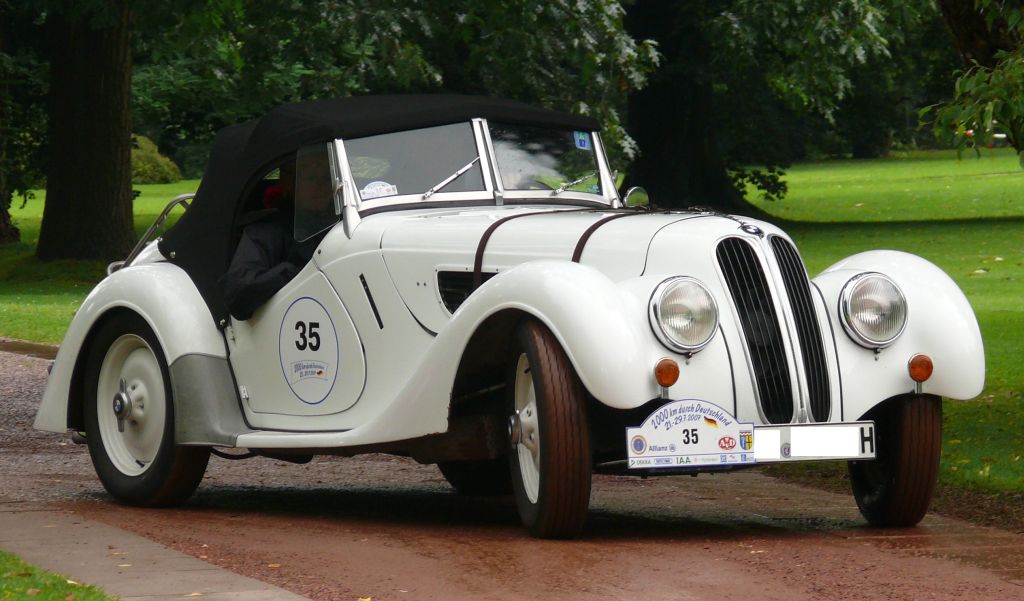
The BMW 328 Roadster, produced between 1936-1940, has been named one of 25 finalists for Car of the Century by a world wide panel of automotive journalists. The program began in 1996 with an initial list of 700 eligible cars that has been narrowed to the 25 recently announced.
“We are thrilled to have the BMW 328 as one of 25 nominees for the Car of the Century,” states Mr. Hendrik von Kuenheim, President and CEO of BMW Canada Inc. “What made the 328 such a huge success 60 years ago – sporty performance, enduring styling and Mille Miglia-winning reliability – still remains a hallmark of our marque today. This honor is certainly a testament to the engineering and design heritage of BMW The BMW 328 is a milestone in automobile history and was the most successful European 1930s cars. Making its competition debut at the famed Nürburgring racetrack in June 1936, the BMW 328 proved unbeatable in international sportscar races in the two-liter class.
This high performance sportscar proved suitable not only for the BMW factory drivers, but also perfect for everyday motoring. The elegantly cowled back wheels, long hood and distinctive dashboard made the 328 an instant hit with sports car aficionados of the 1930’s cars, and helped set styling trends still in evidence today. These 1930s cars command very high prices in the vintage market.
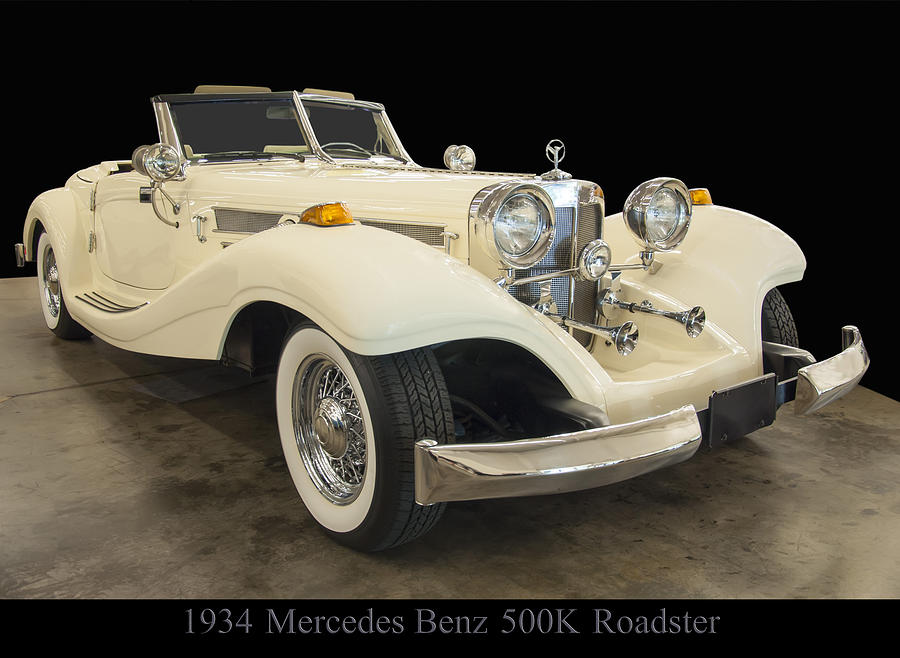
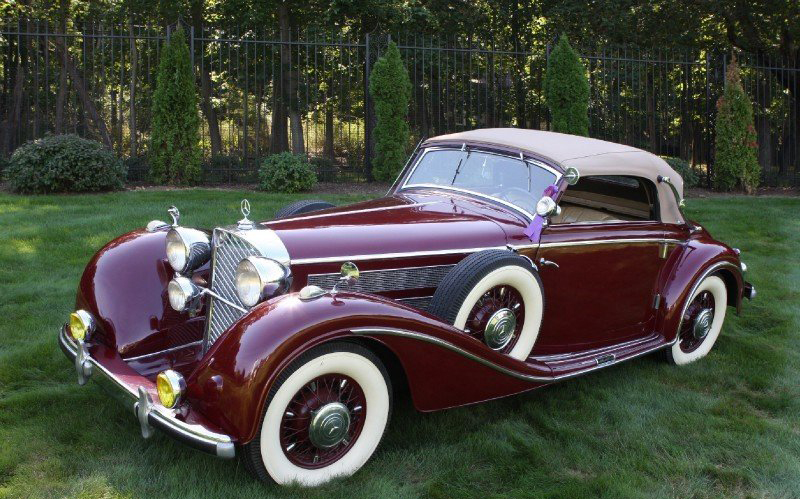
Mercedes Benz
January 28, 1938: Rudolf Caracciola raced a Mercedes Benz racing car and established a then all-time world record of 432.7 kilometers per hour on the motorway; “Once again, the road ahead contracted into a narrow white band and bridges across the motorway into small black holes. I had to steer with maximum precision at the speed I was driving, but before my brains realized what to do, the car had already raced past.”
In the thirties of the last century, motor manufacturers liked to highlight the launch of a new car – and especially a new racing car – with impressive records. In early 1934, for instance, the newly founded company Auto Union established the highly prestigious one-hour world record in a first attempt, thereby providing convincing proof of its capabilities. Needless to say, this was also a challenge for their well-established competitor in Stuttgart-Untertürkheim.
The 1930s cars, despite the Great Depression, managed to move along.
Best Cars Of The 1930s
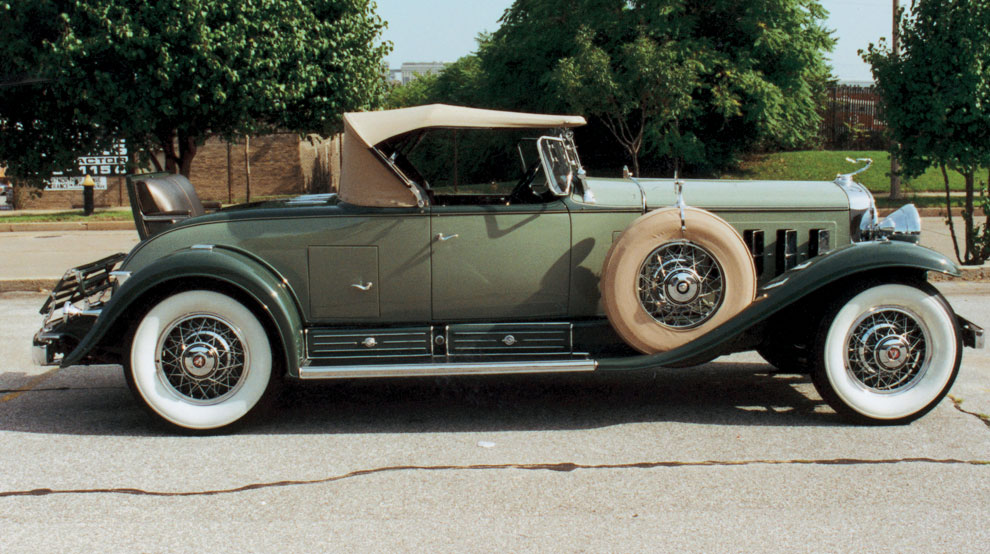
1930 Cadillac 16
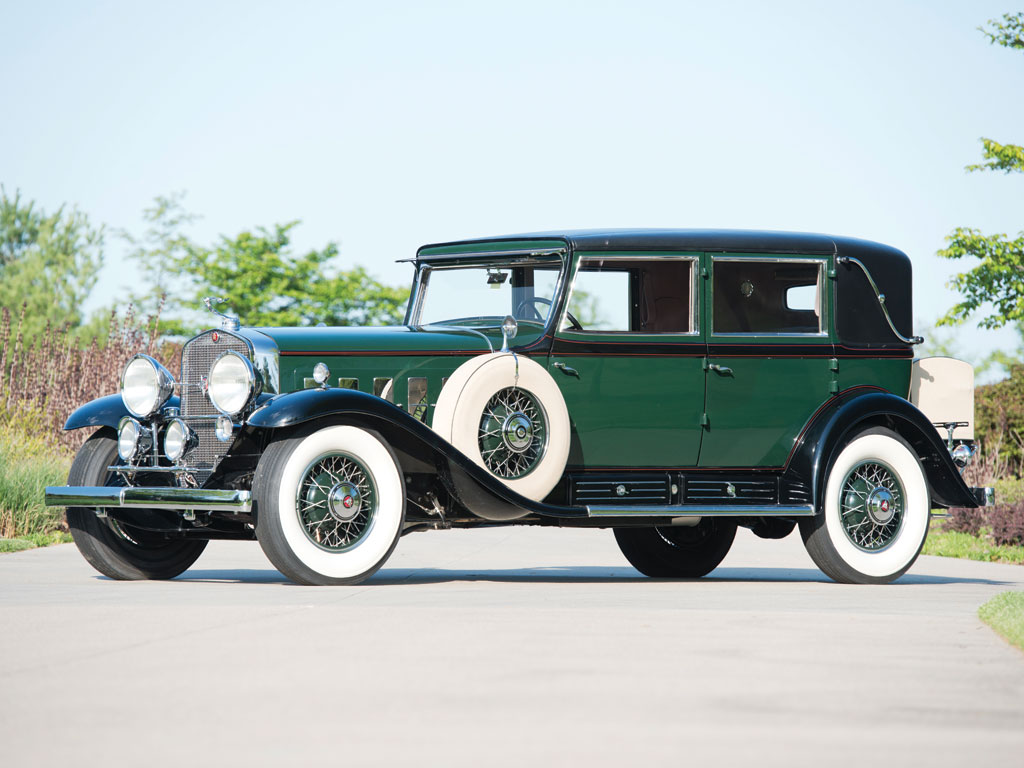
1930 Cadillac V16 Madame X Sedan Cabriolet
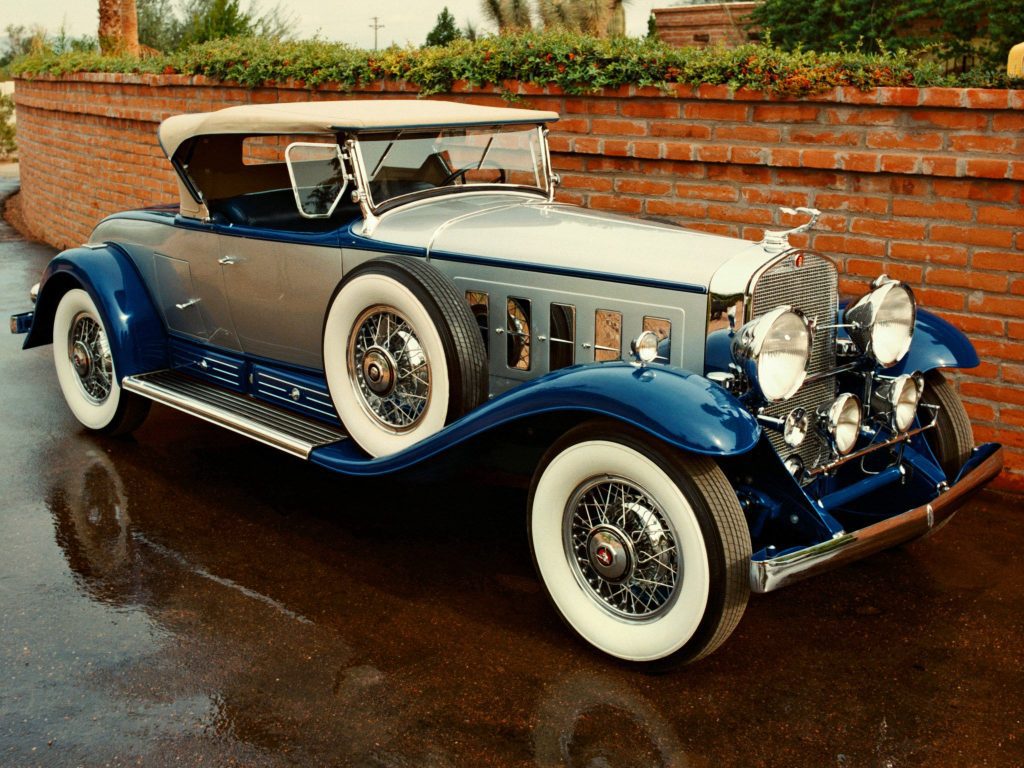
1930 Cadillac V16 452 Roadster
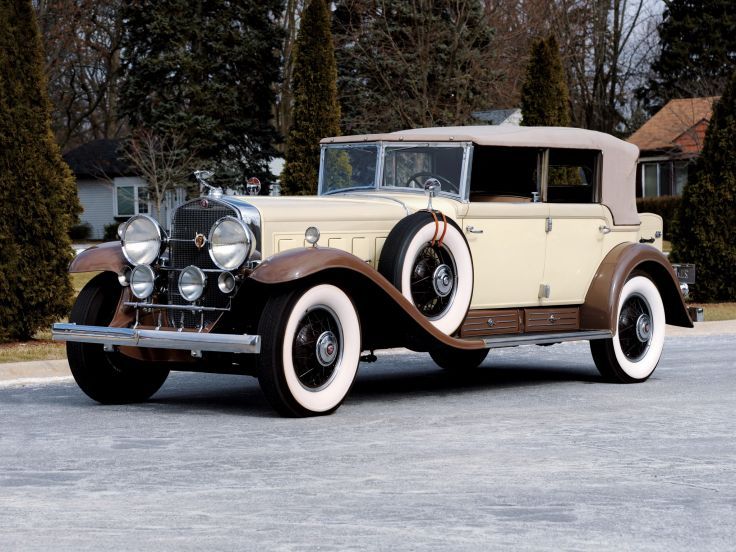
1930 Cadillac V16 All-Weather Phaeton
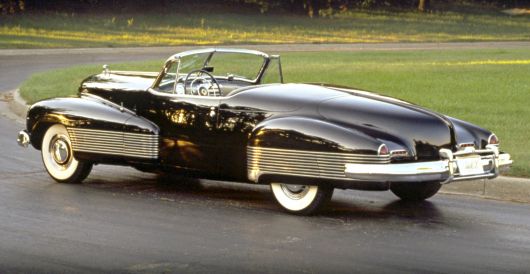
1938 Buick Y Job
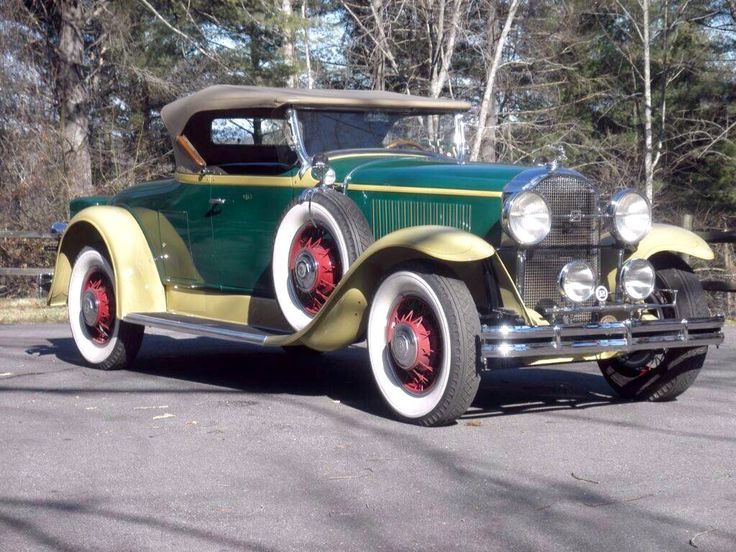
1930 Buick Roadster
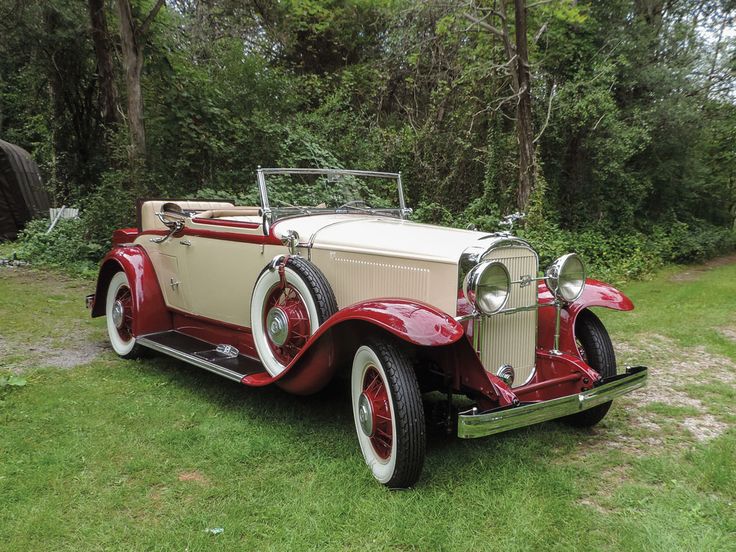
1931 Maclaughlin-Buick Series 90 Convertible Coupe
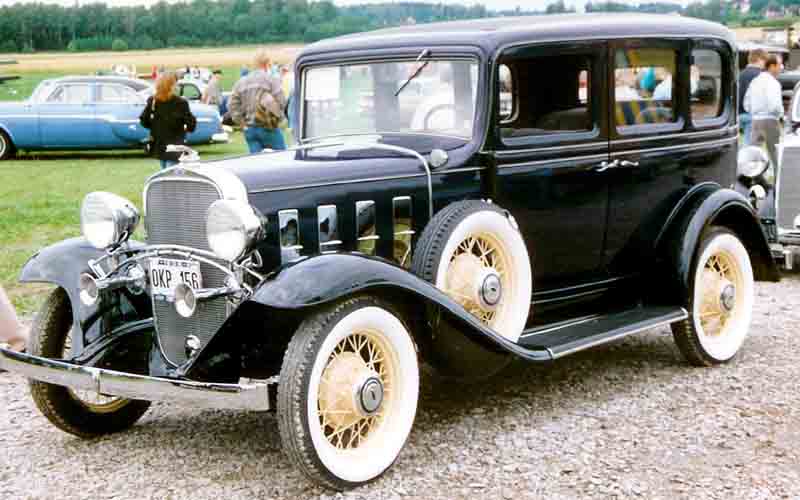
1932 Chevrolet Confederate BA 4-Door Sedan
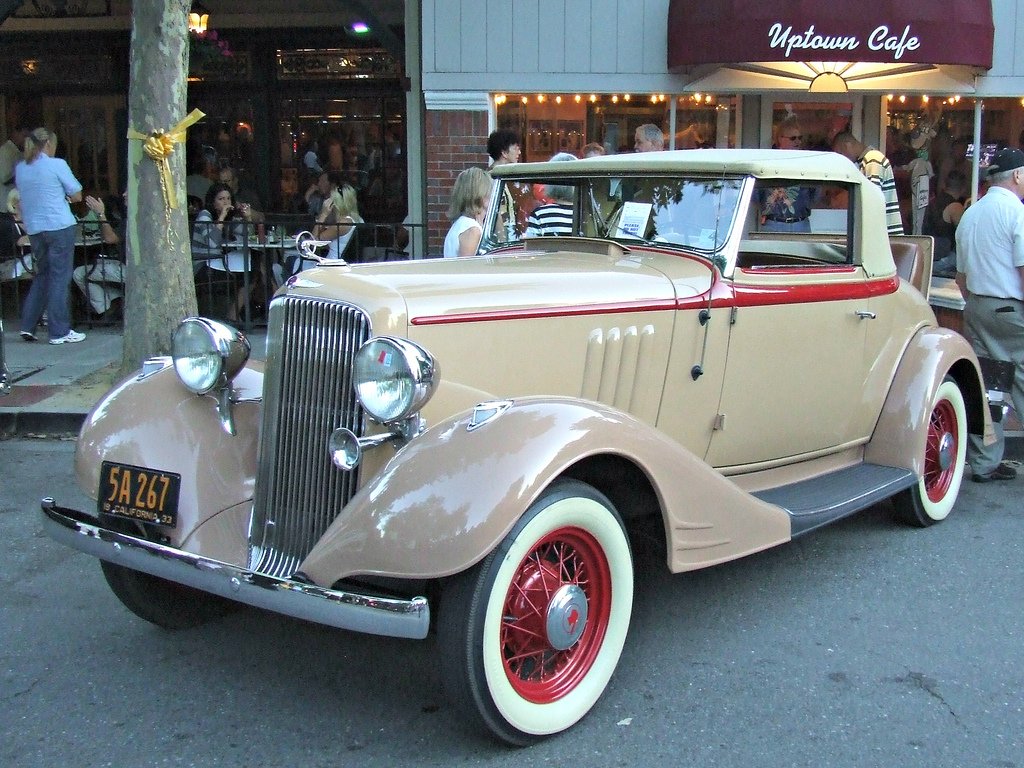
1933 Pontiac Eight Convertible
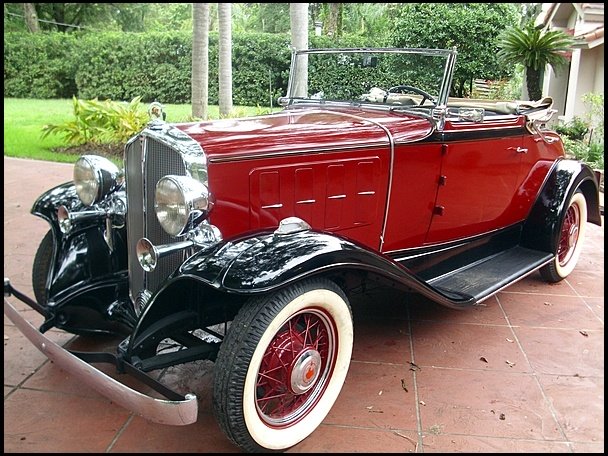
1932 Pontiac Roadster
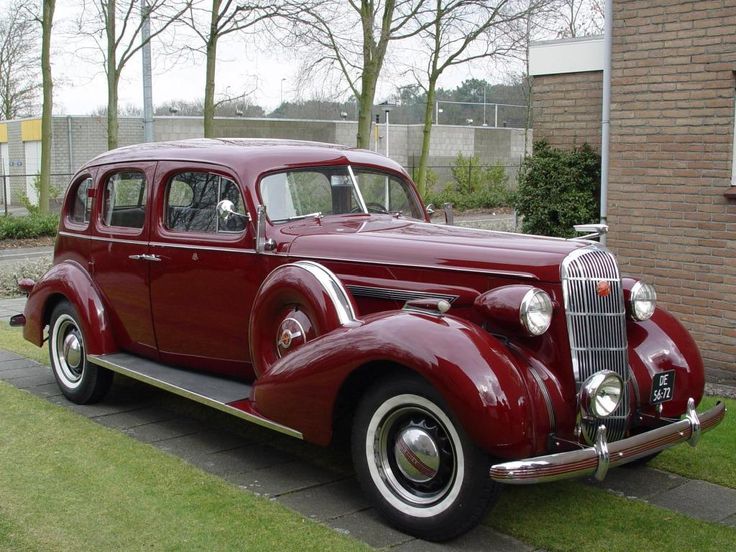
1936 Buick Roadmaster
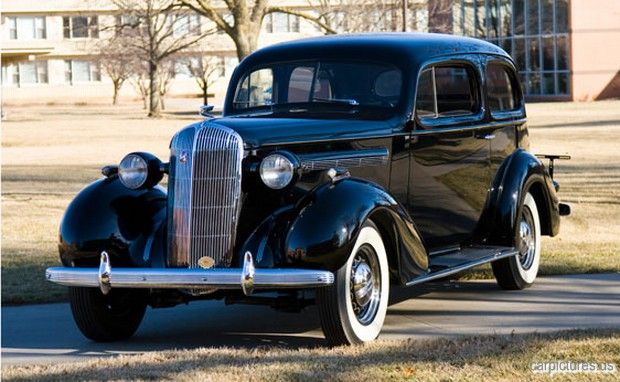
1936 Buick Special Model 48 2-Door Touring Sedan
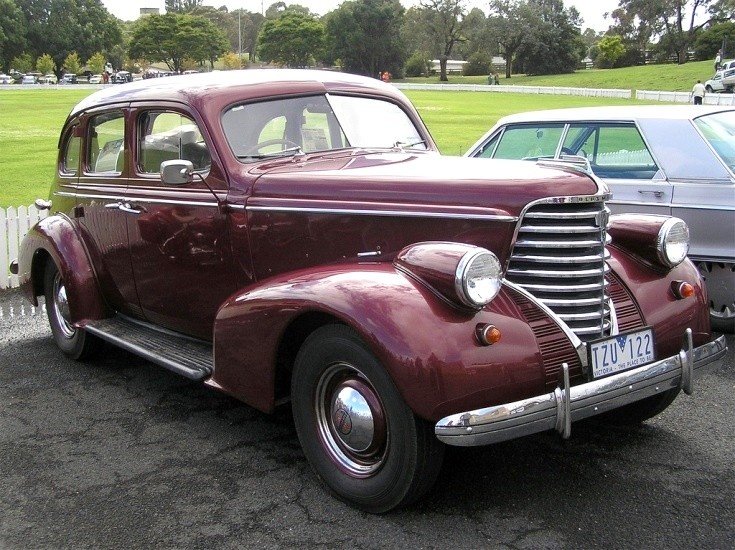
1936 Oldsmobile
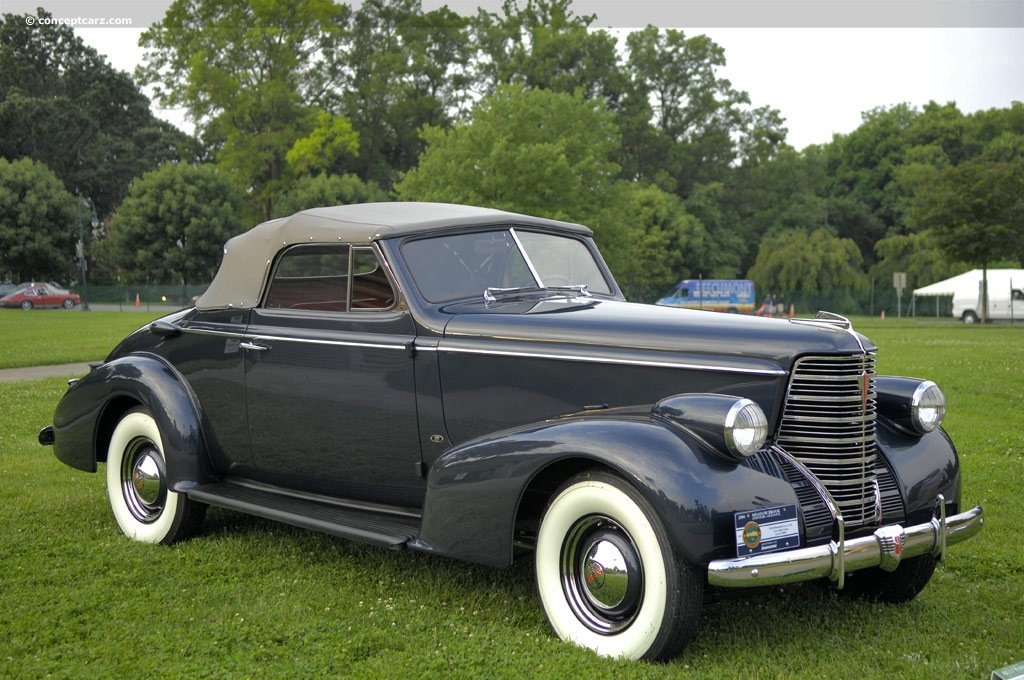
1938 Oldsmobile L-38 Convertible Coupe
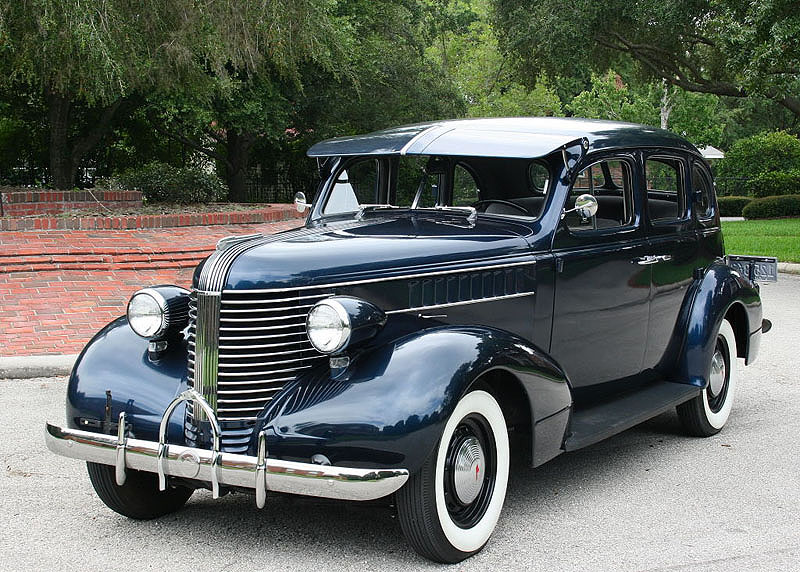
1938 Pontiac Silver Streak
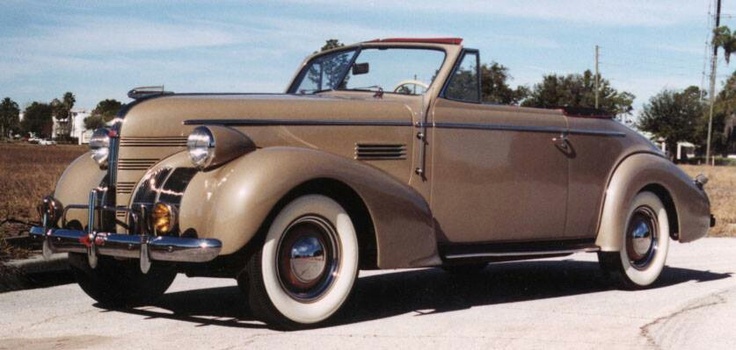
1939 Pontiac Convertible
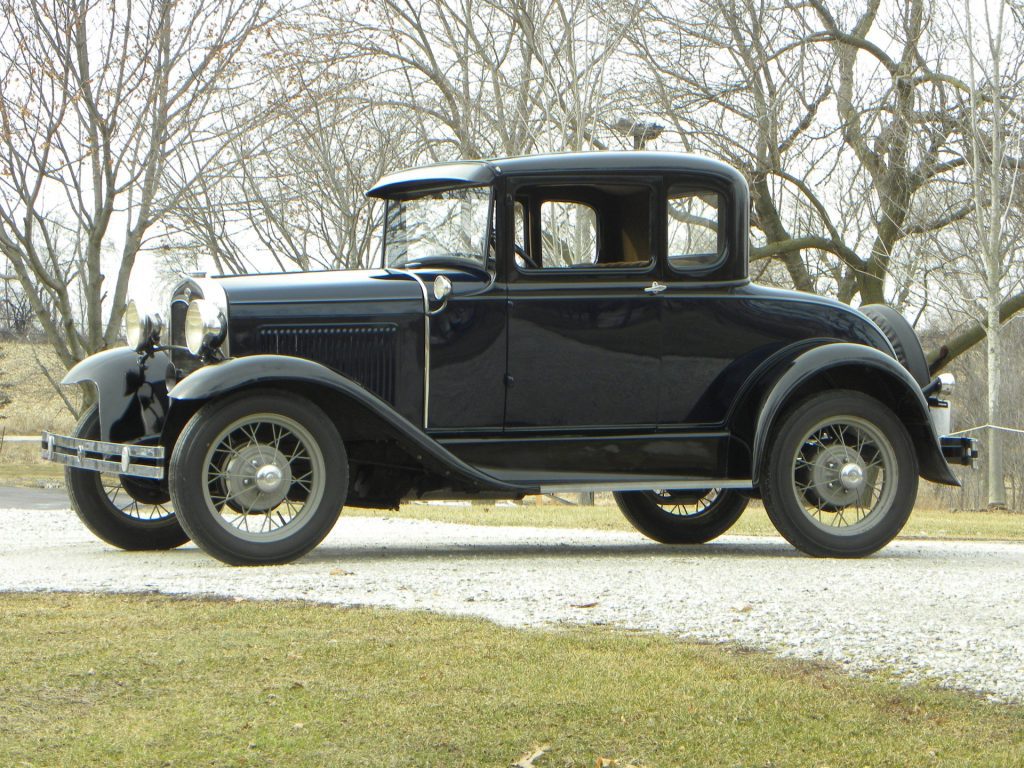
1931 Model Ford A
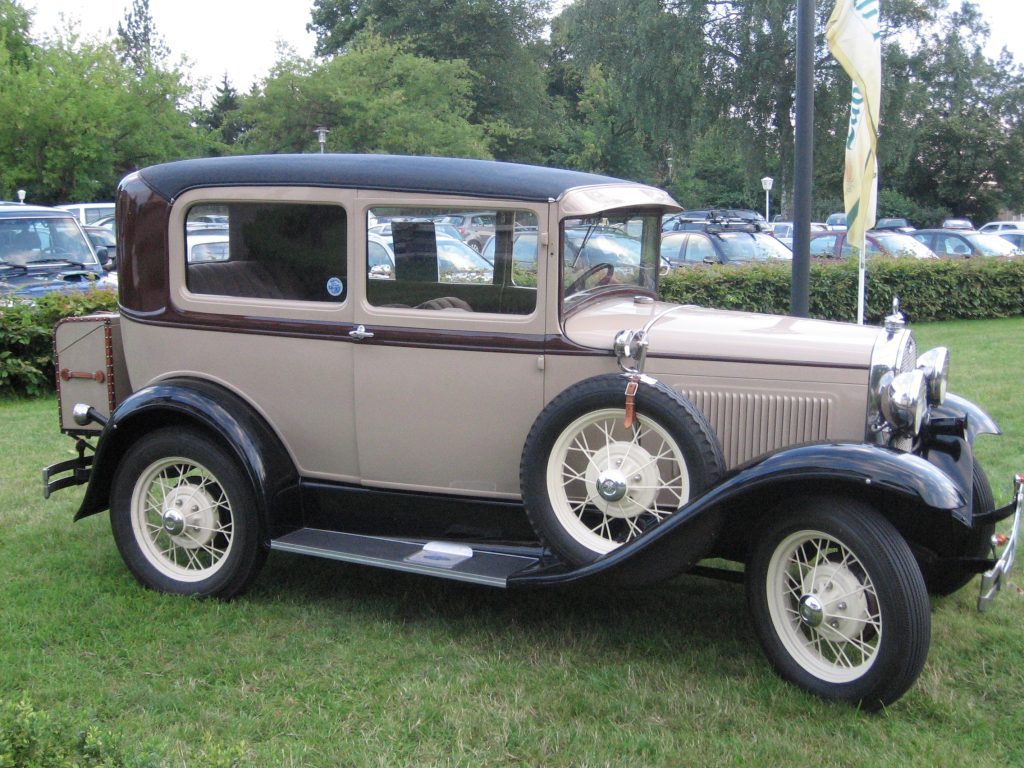
1930 Ford Tudor
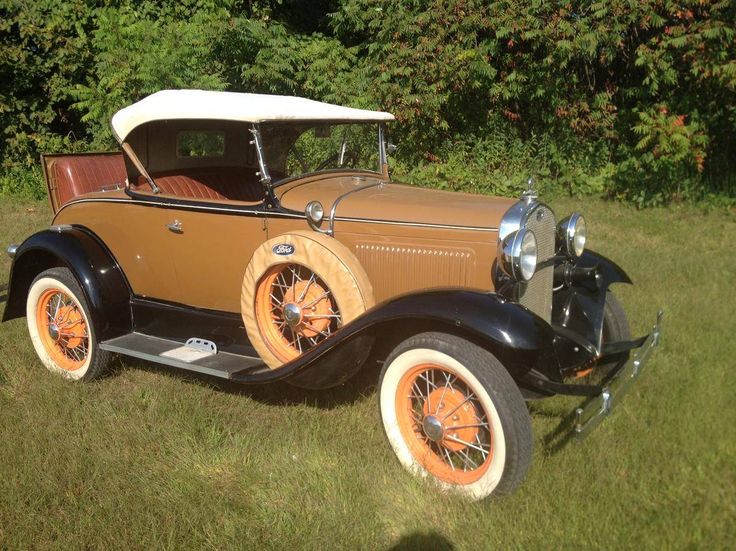
1931 Ford Model A Deluxe Roadster
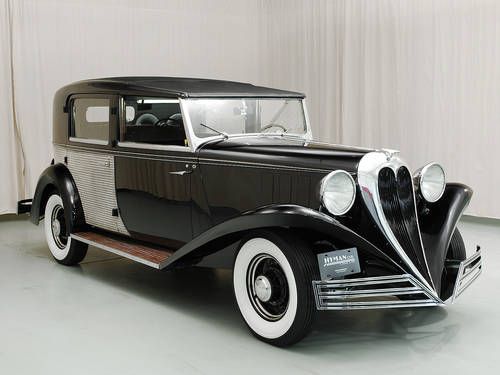
1936 Ford Brewster Town Car
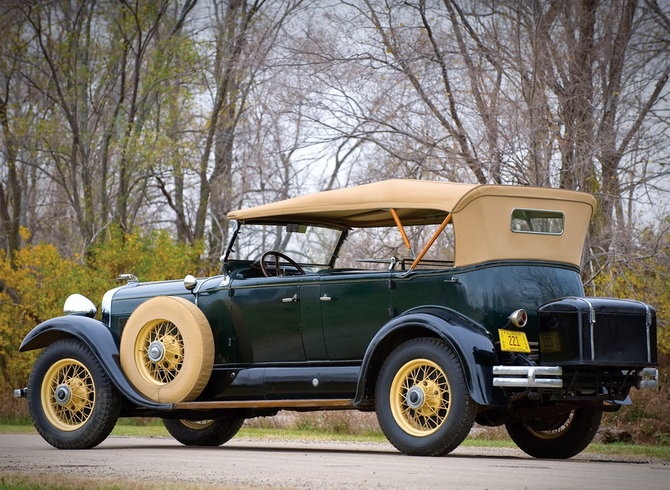
1930 Lincoln K Dual Cowl Sport Phaeton
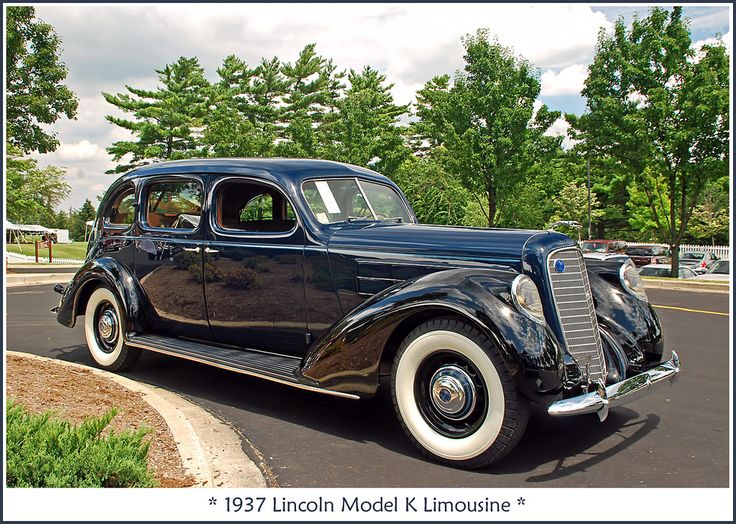
1937 Lincoln Model K Limousine
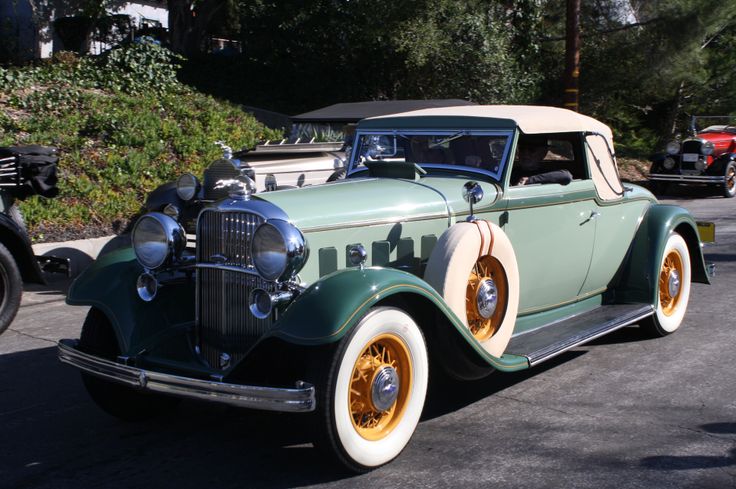
1937 Lincoln Model K Semi-Collapsible Town Car
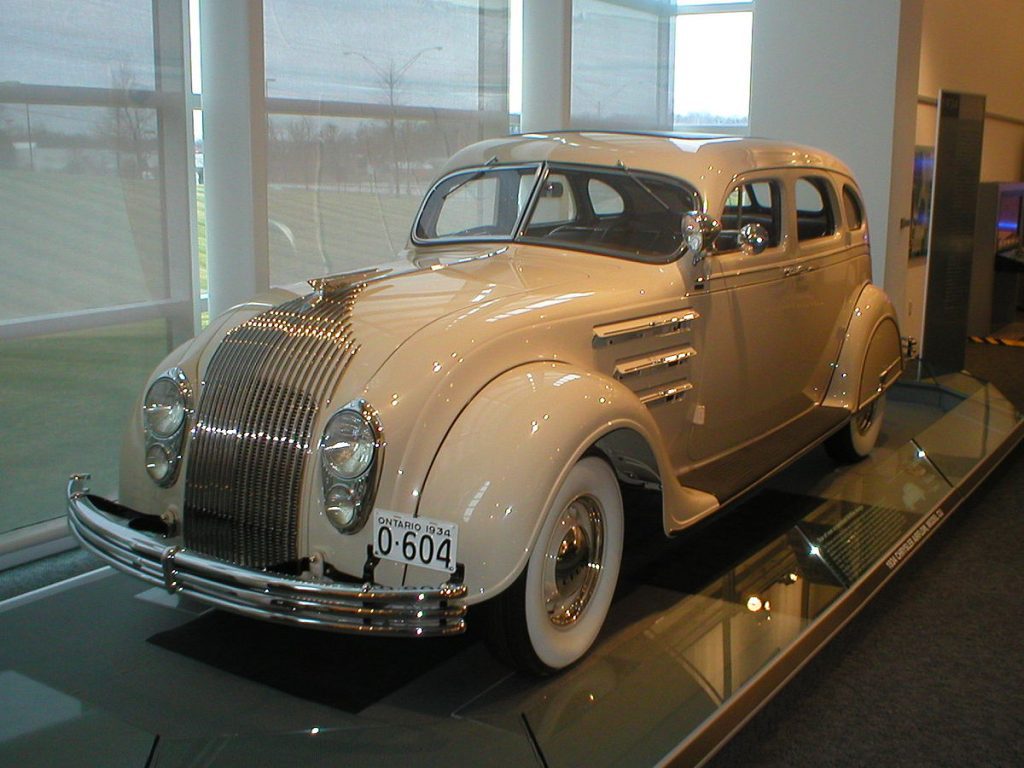
1934 Chrysler Airflow
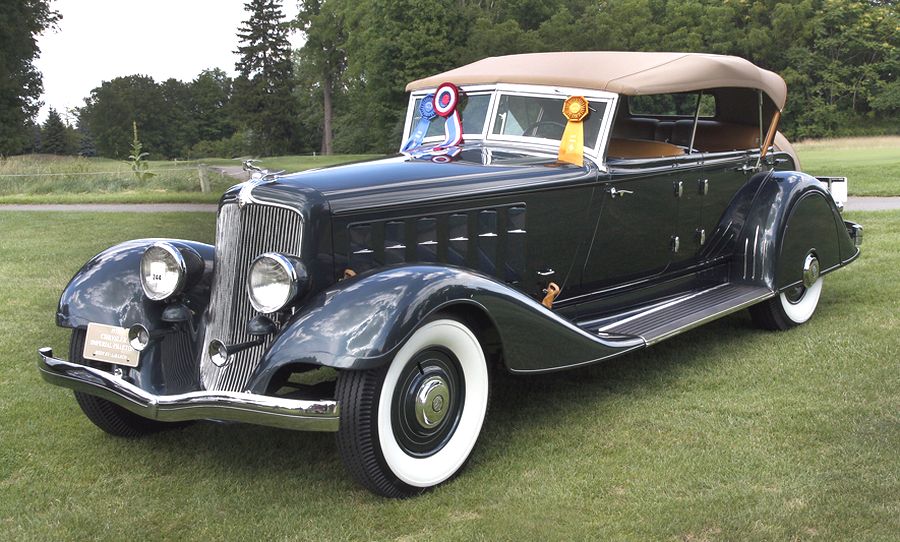
1931 Chrysler Imperial Club Sedan
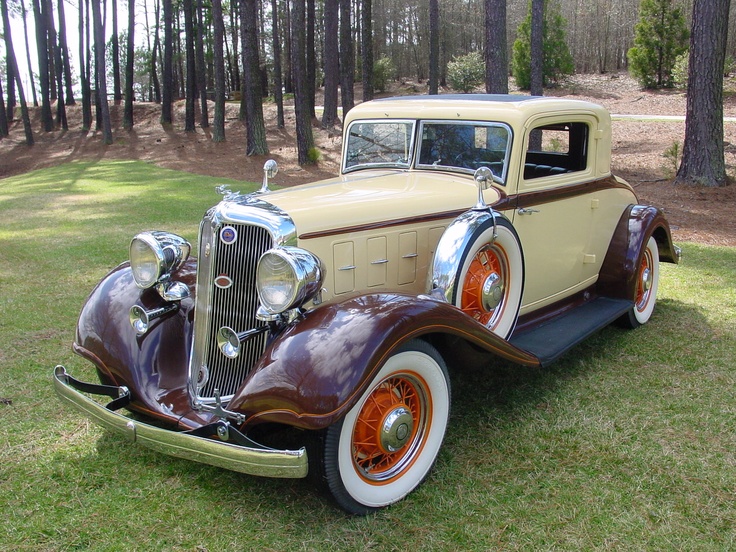
1933 Chrysler CT Business Coupe
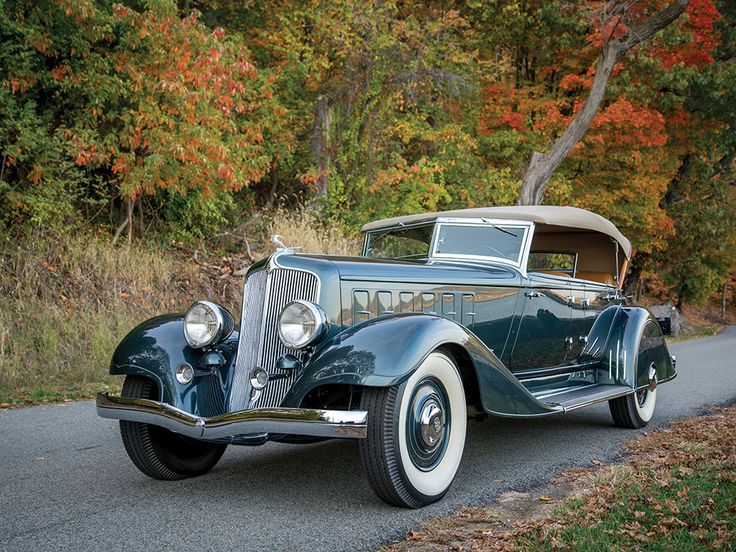
1933 Chrysler Imperial
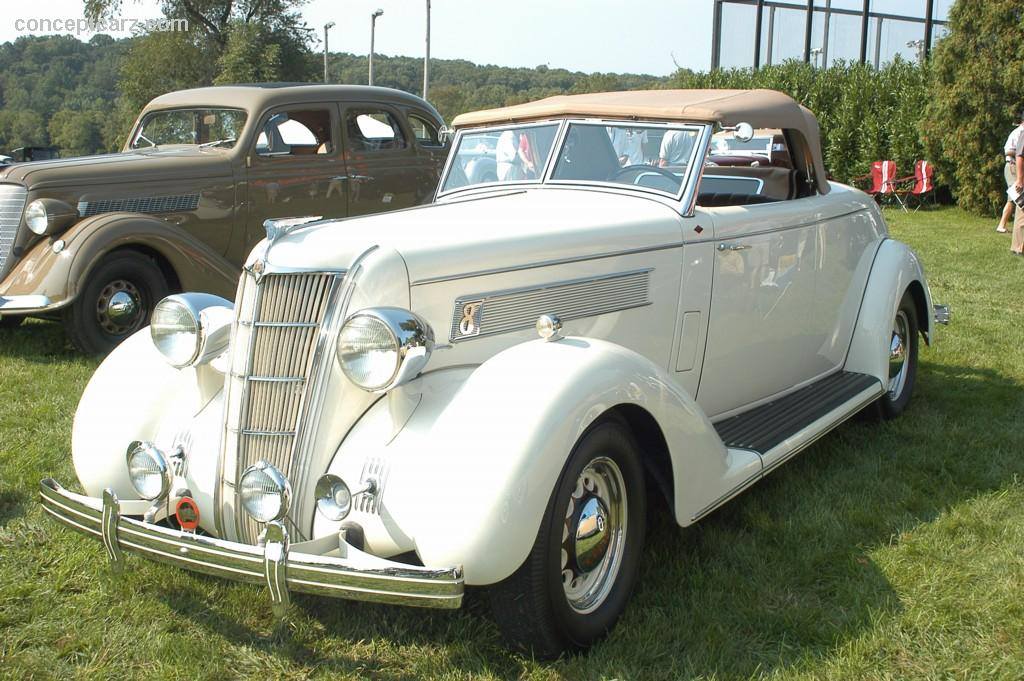
1935 Chrysler Airstream Convertible
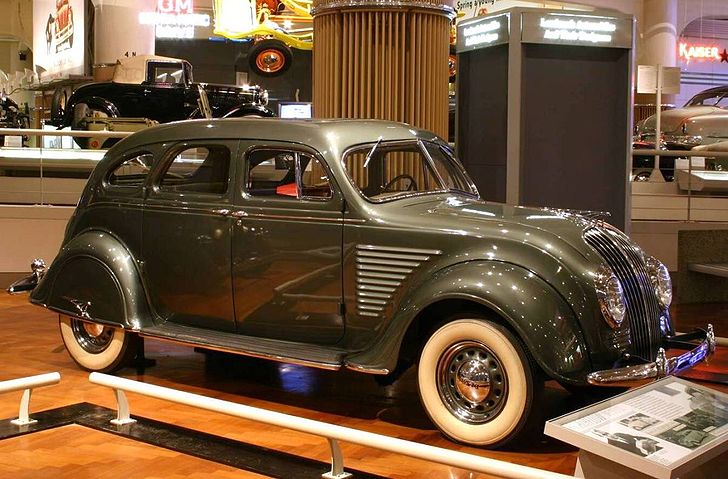
1934 Desoto Airflow Sedan
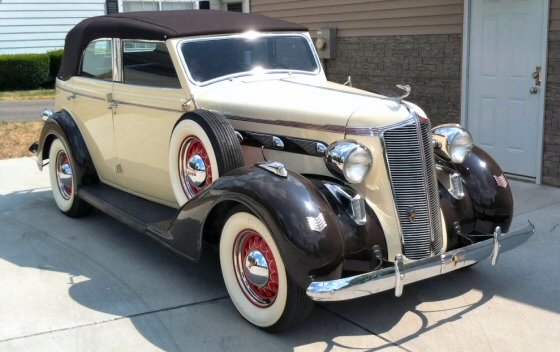
1936 Desoto Airstream Custom 4-Door Convertible
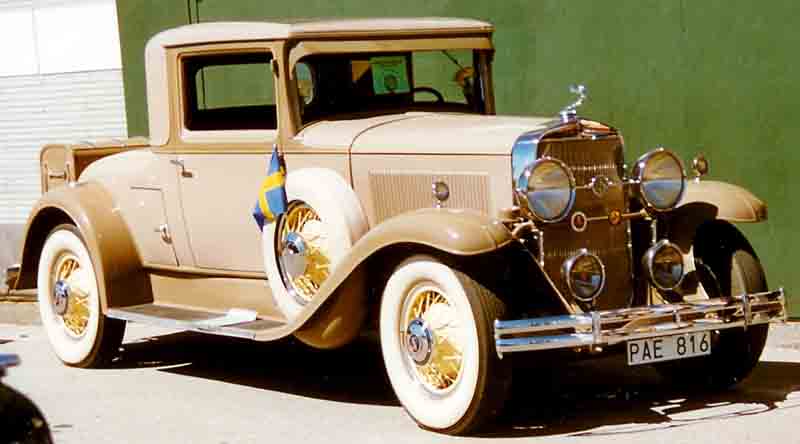
1930 Cadillac La Salle
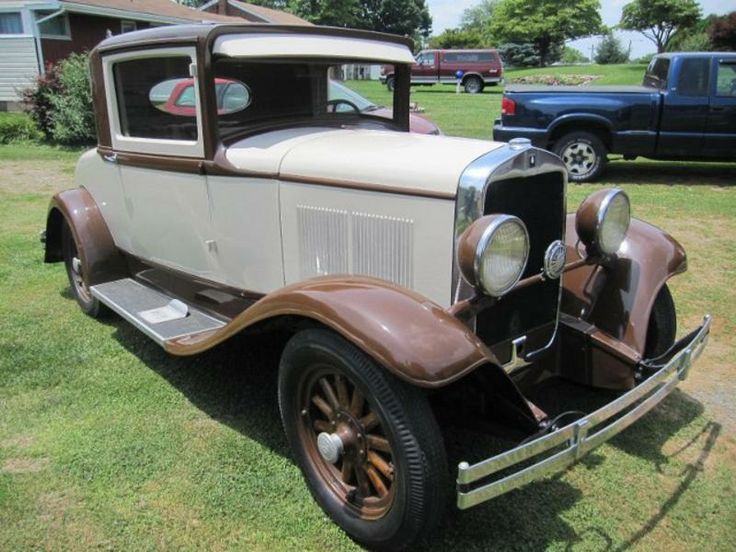
1930 Plymouth 30-U
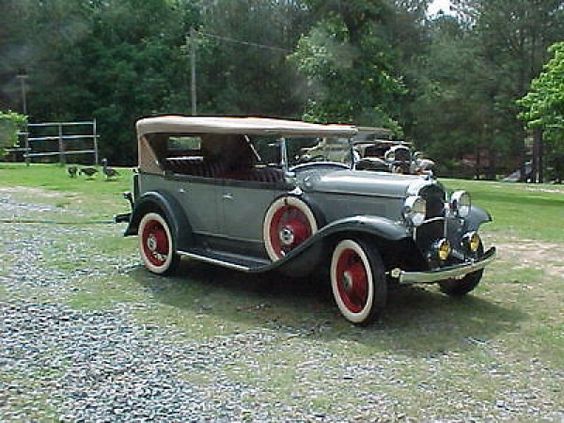
1931 Plymouth Model PA Touring Car
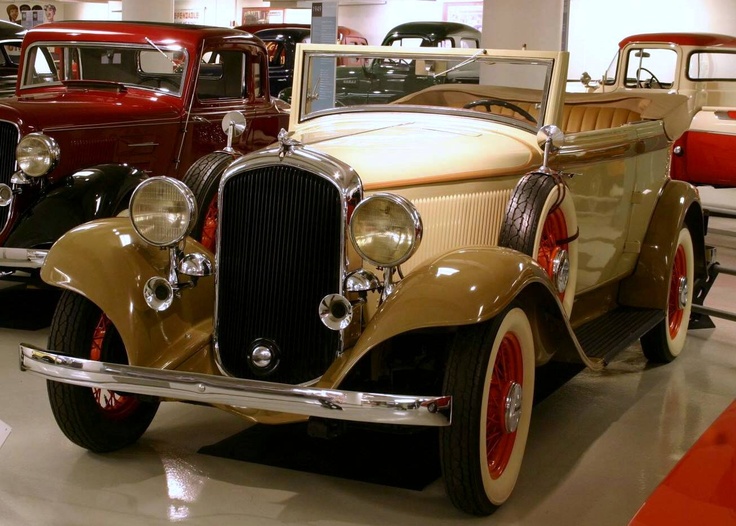
1932 Plymouth PB Convertible Sedan
BMW 328 Roadster
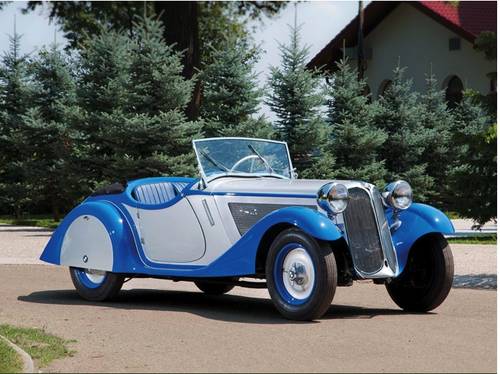
1930s BMW Roadster
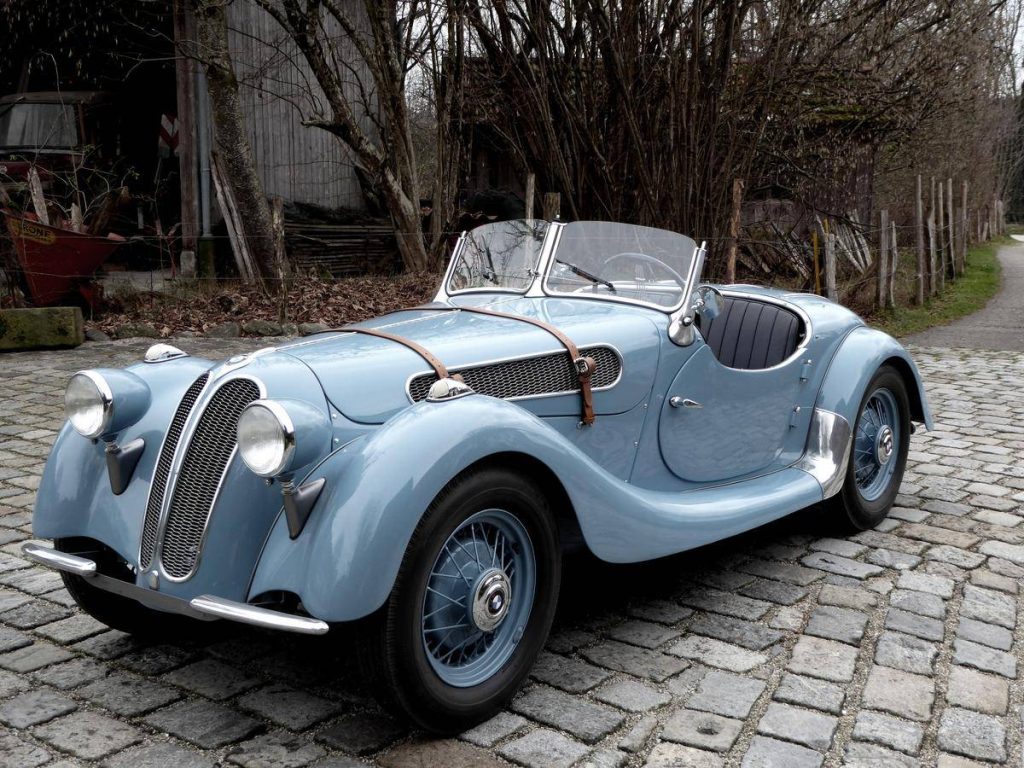
1934 BMW 303 Ihle Sport Roadster
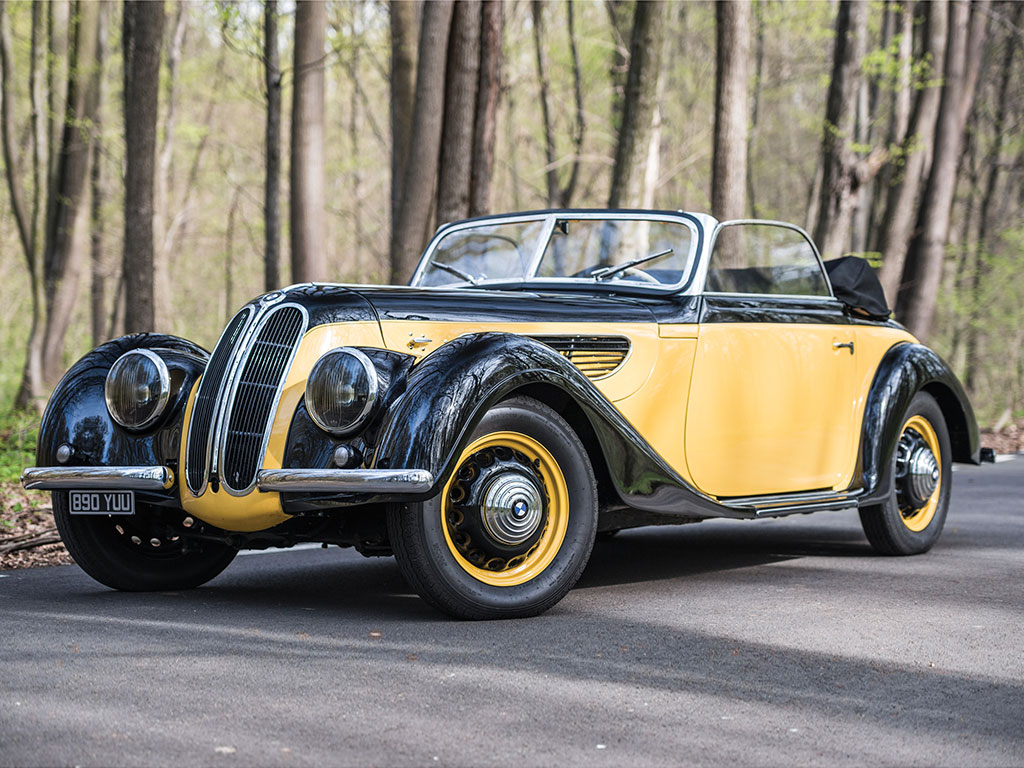
1938 BMW 327 Sport Cabriolet