






The 20s Were The Era Where Automobiles Came of Age – Here’s a Little History & The Greatest Cars Of The 1920s
1920s Car History
1920’s cars saw many technical advances that improved the functions of the automobile. Many of the automobile innovations that we assume of as being modern were in fact introduced in the 1920’s. For example, front wheel drive, four wheel drive, electric powered cars, and even hybrid fuel/electric cars.
The braking system of the cars improved as cars became more powerful and traffic increased. Early cars had mechanical brakes only on the rear wheels requiring a great deal of force from the driver to stop the car. In the cars of the 1920’s, cars for the first time had mechanical brakes on all four wheels.
Safety glass that did not shatter when broken was introduced in these automobiles and helped prevent serious injury from even minor accidents.
At the start of the decade, cars were very basic but still a vast improvement over horse and buggy. Most of the early cars were open tourers but it didn’t take long before they were enclosed and fitted with heaters to improve passenger comfort. By the end of the 1920’s however, cars had advanced enough in terms of style, speed and beauty with high levels of comfort and safety. By 1923, closed sedans became more common than open cars making these 1920’s cars more comfortable.
These 1920’s cars competed with the very expensive cars below, a Rolls Royce, a fine Europe-built car.
These European 1920’s cars were bought by the rich and famous, in Europe and in the Americas. They complemented each other by their beauty and class.
The 1920’s cars rolling off Detroit’s assembly lines faced an increasingly annoying obstacle: mud. The majority of roads in the U.S. had been designed for uses by horses, thoroughly unsuitable for car traffic. Most of the country’s two million miles of roads were only covered by gravel. So people in various communities insisted on better roads as they acquired cars.
In 1921 the first Federal Highway Act was passed. The act sped up the building of roads as well as improvements in navigating them. For example, East-west routes were assigned even numbers; north-south routes were assigned odd numbers.
Better highways, the moving assembly line, and the closed car caused the 1920’s cars to contribute to the “car culture” of the 1920s.
Companies that had formerly produced horse drawn vehicles became car manufacturers or built bodies on chassis produced by others. Many of the expensive 1920s cars were custom built for their wealthy owners.
Meanwhile, Americans fell in love with their cars. The 1920’s cars brought people to different places, touring towns all over the country. Autocamping became a national fad and pastime. 1922 saw 15 million auto campers on the road, a relatively safe and inexpensive way for families to go out and have fun, as well as see the countrysides.
Young people, who before were restricted to meet in their porches, now found themselves in the privacy of their cars, which scared most parents.
The rapidly growing automobile industry led by Henry Ford and the Ford Motor Company produced new and better models every year. Increased wages and lower cost vehicles through mass production made cars increasingly affordable, although 3 out of 4 cars were bought on installment plans which is basically how people today finance their cars.
Henry Ford, had a lot of profits from his Model T Ford, became complacent. He was unwilling to acknowledge the changing nature of the marketplace and it almost proved to be his undoing.
People wanted a different car than the Model T. America in the 1920s was a rich and ambitious place. Its consumers wanted more than functional cars – they wanted their cars to reflect on their status, they wanted to feel rich.
Although the 1920s was a difficult time for many small, independent car makers, it was a great time for some of the larger independents: Packard, Willy-Overland, Hudson, Nash, and Studebaker.
The most successful of the independents were Errett L. Cord and Walter P. Chrysler
Cord, a former race car driver and salesman, joined the Auburn Automobile Company in 1924 which was sagging at that time. He turned the company around. He understood what the consumers wanted, therefore he built 1920’s automobiles which were sturdy, sleek, reliable, and more expensive than the rest. But they were popular.
He soon joined forces with the Duesenberg brothers, Fred and Augie, to produce a line of passenger cars that would be the envy of the entire industry, including the modest Model A Duesenberg and later in the 1920s, the lavish Model J.
One of the biggest motoring events of 1927 was the release of the “new Ford”, the Model A, which replaced the long-standing Model T after 18 years of production.
New makes of 1920’s cars proliferated – from the low cost Model T Ford through to the even more expensive Rolls Royce. Most of the carmakers no longer exist or have been amalgamated but many of the old car names like Buick, Cadillac, Chevrolet – (GM Motors), Dodge, Fiat, Ford, Lincoln , and Oldsmobile live on today. Others like the Auburn, Cole, Crow, Davis, Dixie, Durant, Elcar, Grant, King, Kline, Lafayette, Kurtz, Marmon, Mercer, Overland, Peerless, Pilot, Roamer, Saxon, Stearns, Velie, Wescott and Winton are only seen in vintage car shows today.
Another large name in automobile history appeared during this time. His name – Walter P. Chrysler. His rise in the 1920s was meteoric, brought on by his enormous capacity for work, equaled only by his tremendous zest for life. His first car, a Locomobile which cost him $5,000, fascinated him. He wanted to be a part of automobile’s production and development. He worked for GM before retiring in 1920, a man financially set for life. But he was restless.
He went back to work, unsuccessfully trying to revive the ailing Willys-Overland company. He then went to revitalize the ailing Maxwell Motor Company with three young engineers. He then went on to develop one of the most popular of the 1920 cars, his Chrysler Six, a car equipped with a new high-compression engine. By 1925, Maxwell Motor Company evolved to become the last three of the Big Three – the Chrysler Corporation.
Later, he realized that for his 1920’s cars to be able to compete in a marketplace dominated by GM and Ford, he had to do something different. He had that opportunity when an offer to purchase Dodge came in 1928. The Dodge brothers had died of influenza. With the purchase, he acquired the Dodge name, its factories, and perhaps most important of all, its nationwide network of dealers.
A year later, Chrysler introduced two more marquees, De Soto and Plymouth, both of which established Chrysler as one of the era’s greatest makers of 1920’s cars.
1920’s Cars’ advertisements became more sophisticated as psychology was employed by copywriters to sell 1920’s cars. Before this, ads had focused on specifications, engine horsepower, and features but the late 1920’s brought in the style of advertising that appeals to people’s emotions rather than intellect (pretty much like the modern type of advertisement). Automobile manufacturers also targeted women drivers by advertising in women’s magazines and by manufacturing cars whose appeal had emphasis to women. They accomplished this by varying the range of colors, making improvements in the interior of the car, and by overall improvements in how the cars handle.
The influence of the old English horse-drawn coach livery, were obvious as color and design of the new cars borrowed from horse-drawn coaches. Color and design were prime selling point. Features like heaters, balloon tires, and improved suspensions including better shock-absorbers made the life of motorists better, even with many roads still unpaved.
The wealthy purchased expensive ($15,000-$50,000) European cars like Mercedes and Hispano-Suiza which they imported into America. But America had its luxury cars too like the Cadillac and Packard that were favored by the big name movie stars.
By the late 1920s, the automobile had firmly established itself as the newest and most popular method of road transport. The 1920’s cars ushered a new automotive age.
Best Cars Of The 1920s
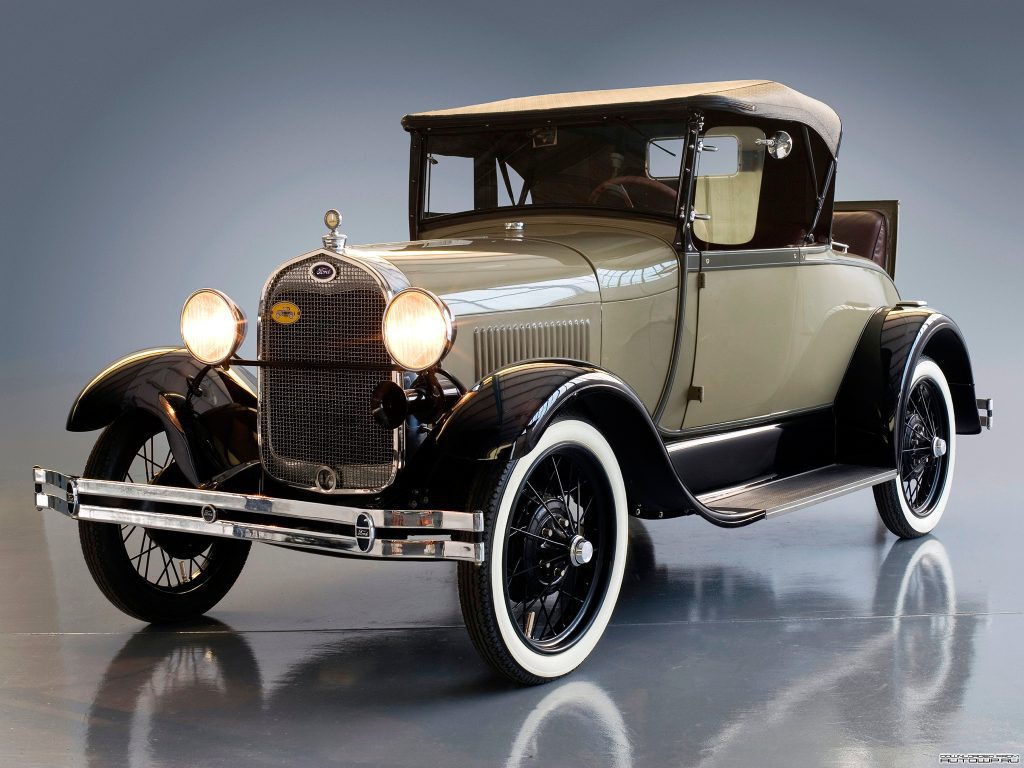
1929 Ford Model A Deluxe Roadster
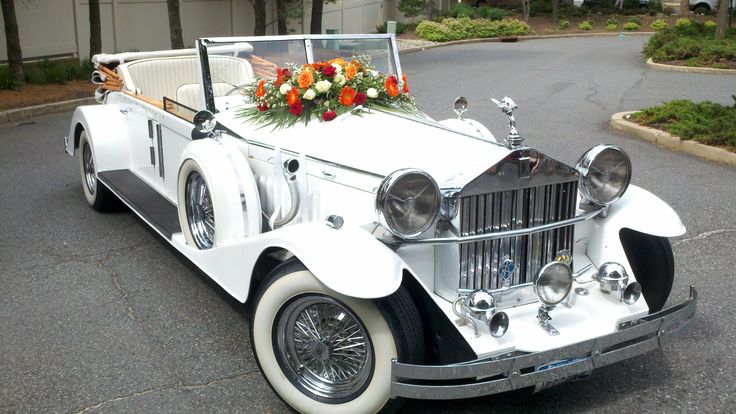
1920 Rolls Royce Phantom Limousine
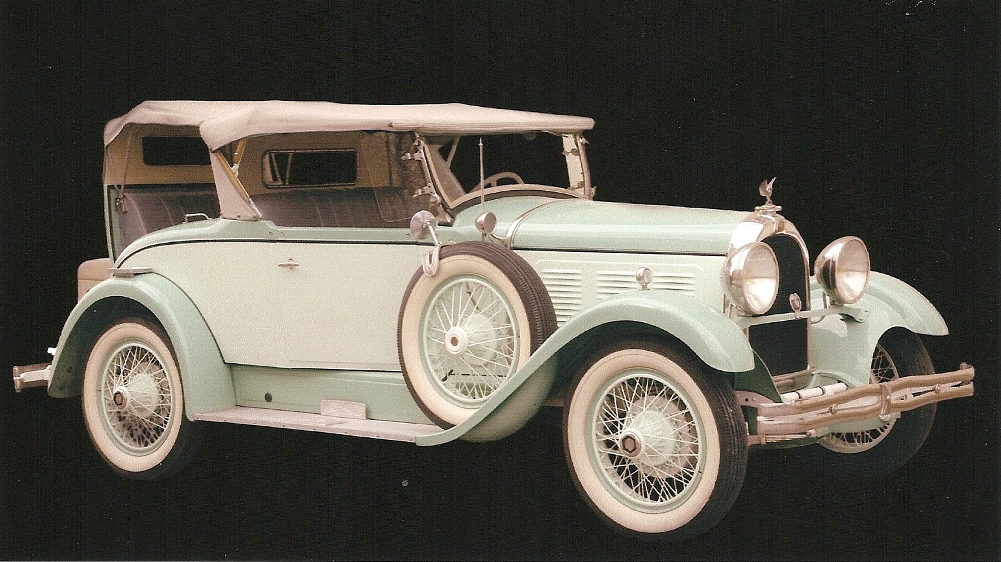
1928 Falcon Knight Roadster
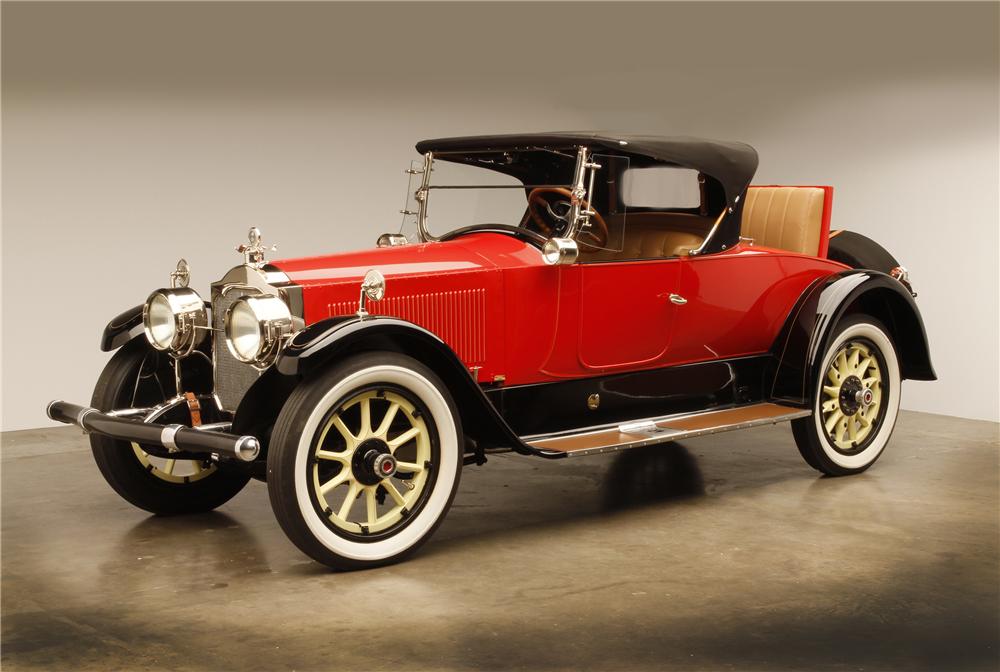
1926 Packard Twin 6 Roadster
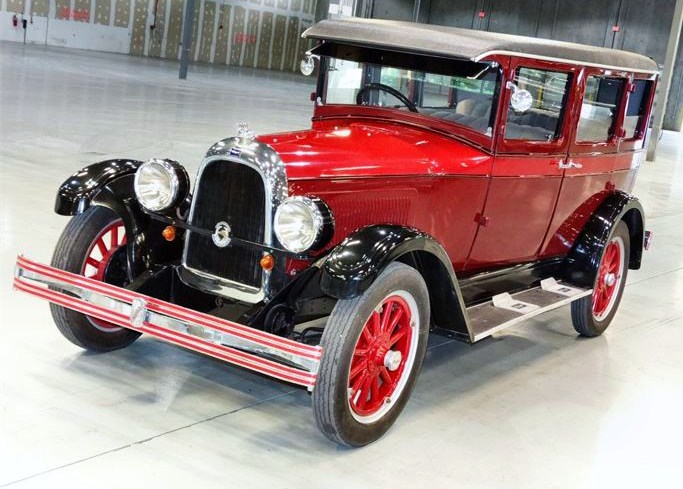
1927 Willys Overland Whippet 93A
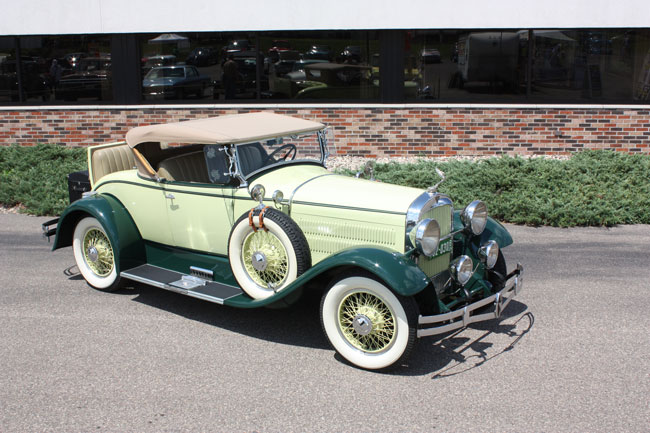
1929 Hudson7 Roadster
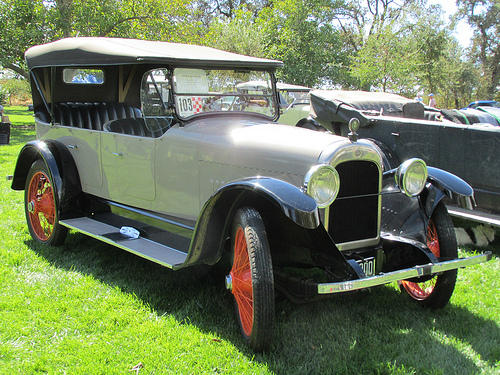
1920 Nash Touring
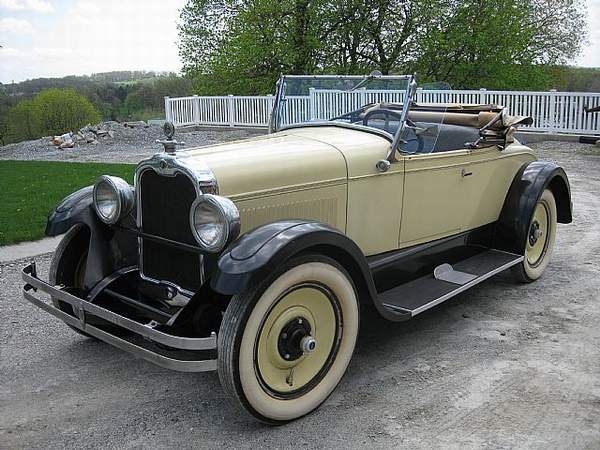
1929 Studebaker Roadster
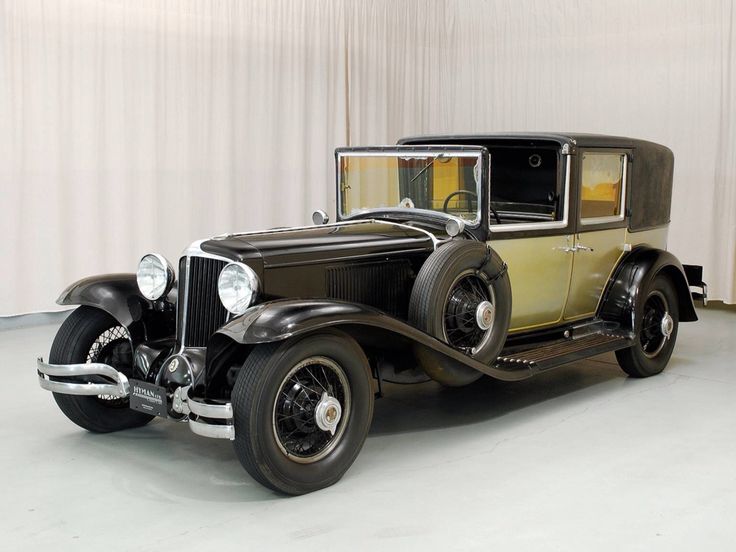
1929 Cord L29
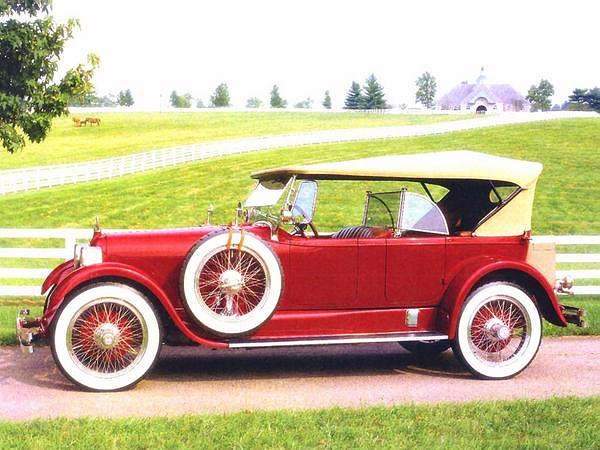
1923 Duesenberg Model A Touring Car
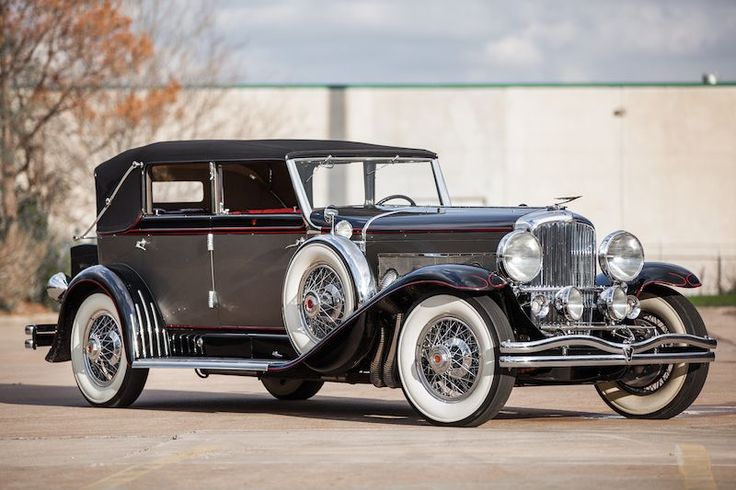
1929 Duesenberg Model J
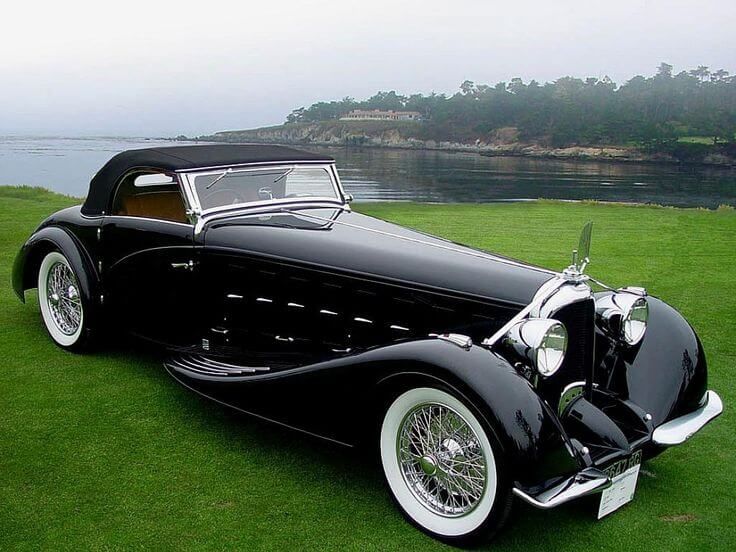
1928 Rolls Royce Sport Phantom
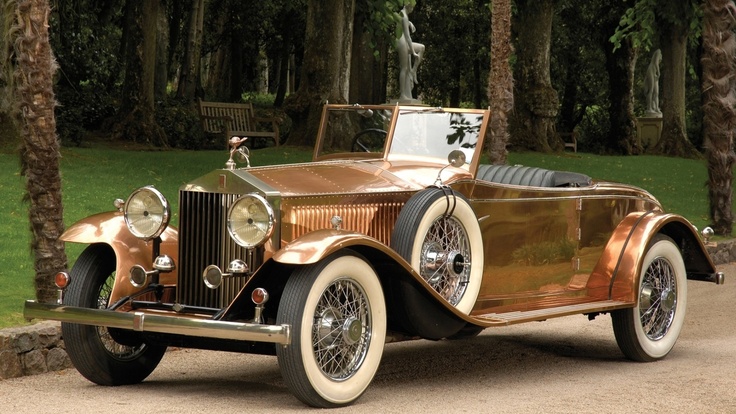
1920s Rolls Royce
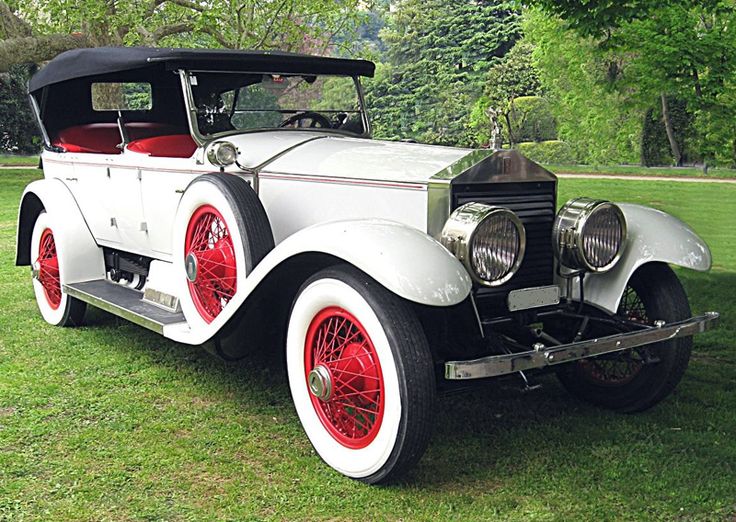
1920s Rolls Royce Silver Ghost Torpedo
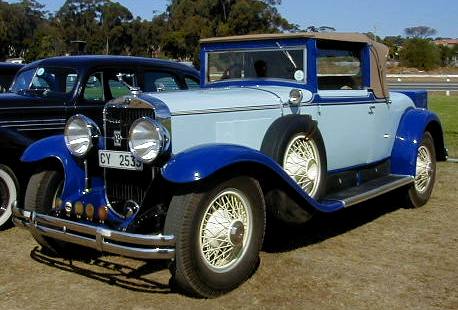
1928 Cadillac Convertible Coupe
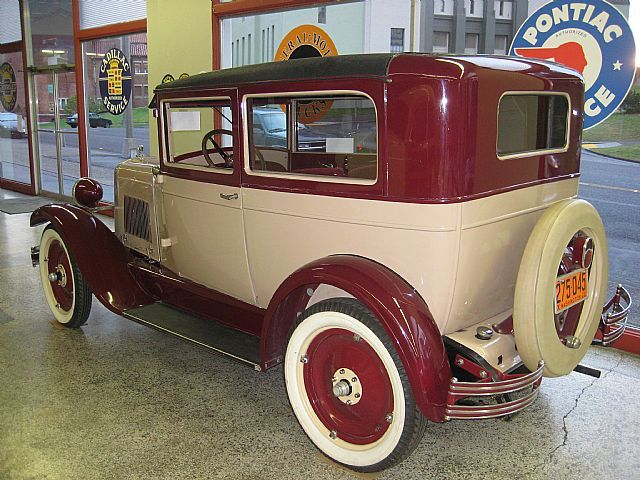
1929 Chevrolet
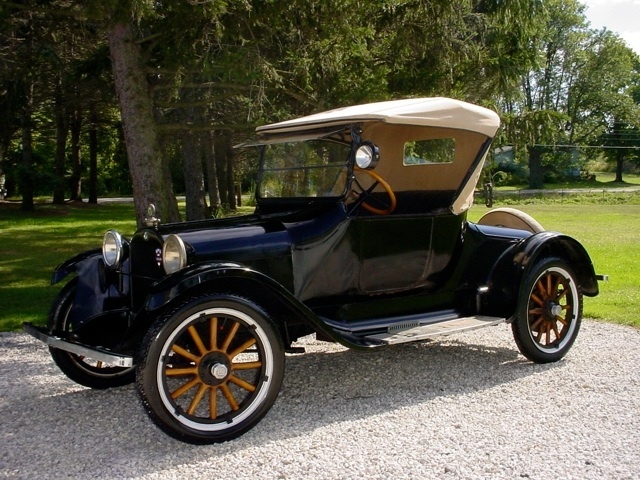
1921 Dodge Roadster
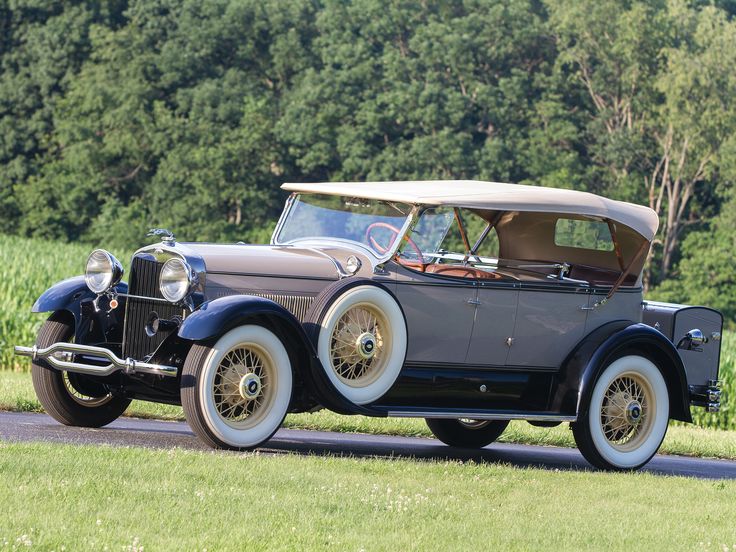
1929 Lincoln Model-L Dual Cowl Phaeton
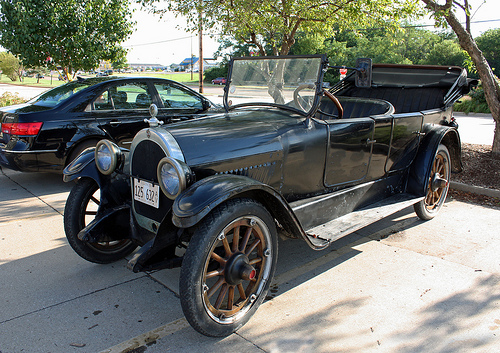
1921 Oldsmobile 43A Series Touring
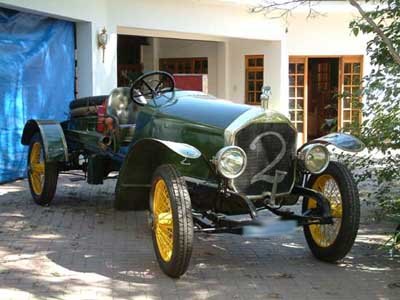
1920 Napier
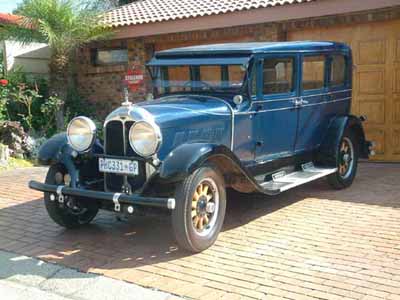
1928 Auburn
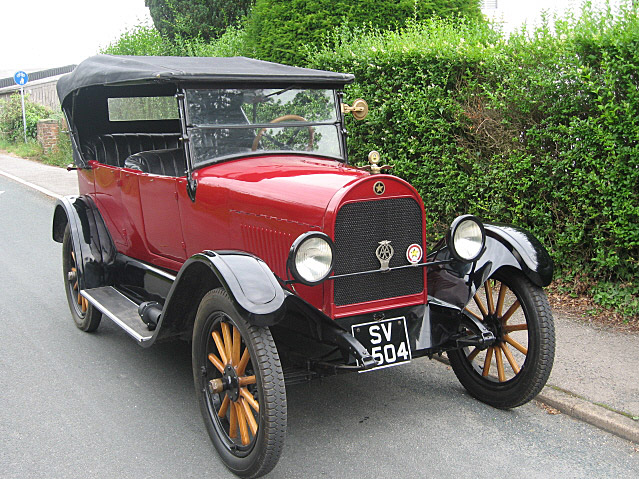
1926 Durant Star Speedster
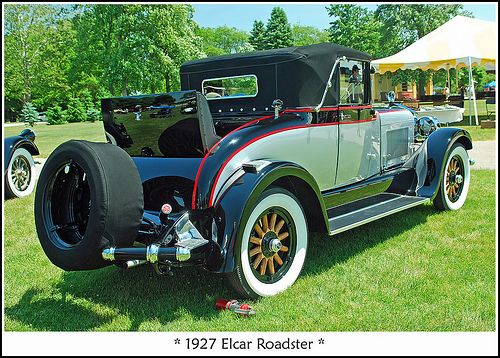
1927 Elcar Roadster
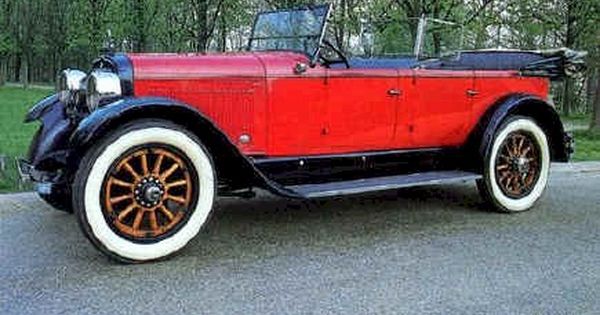
1922 LaFayette-134 Touring
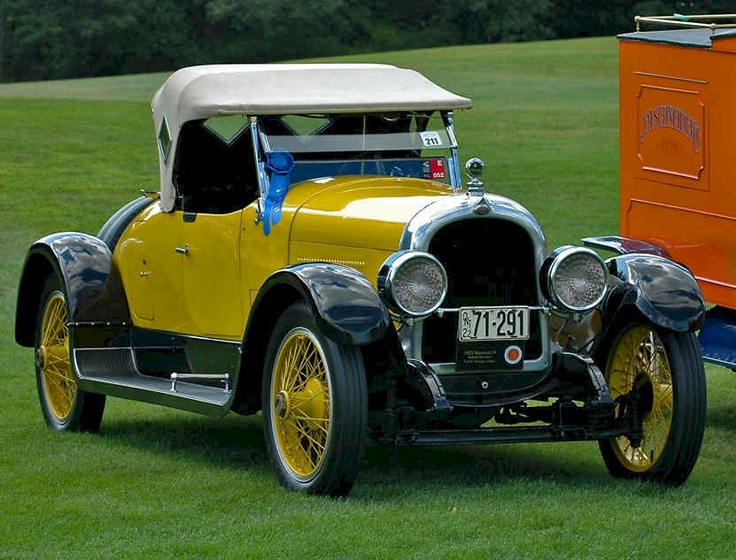
1922 Marmon Pace Car Speedster
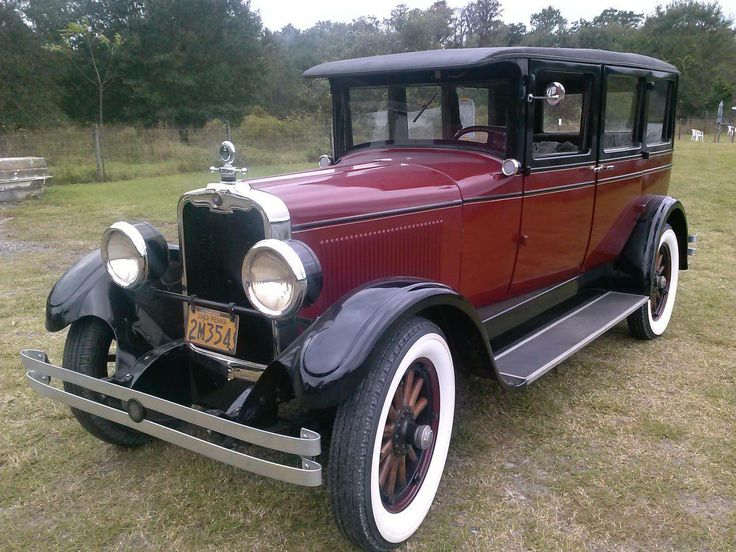
1927 Peerless Six-90 Sedan
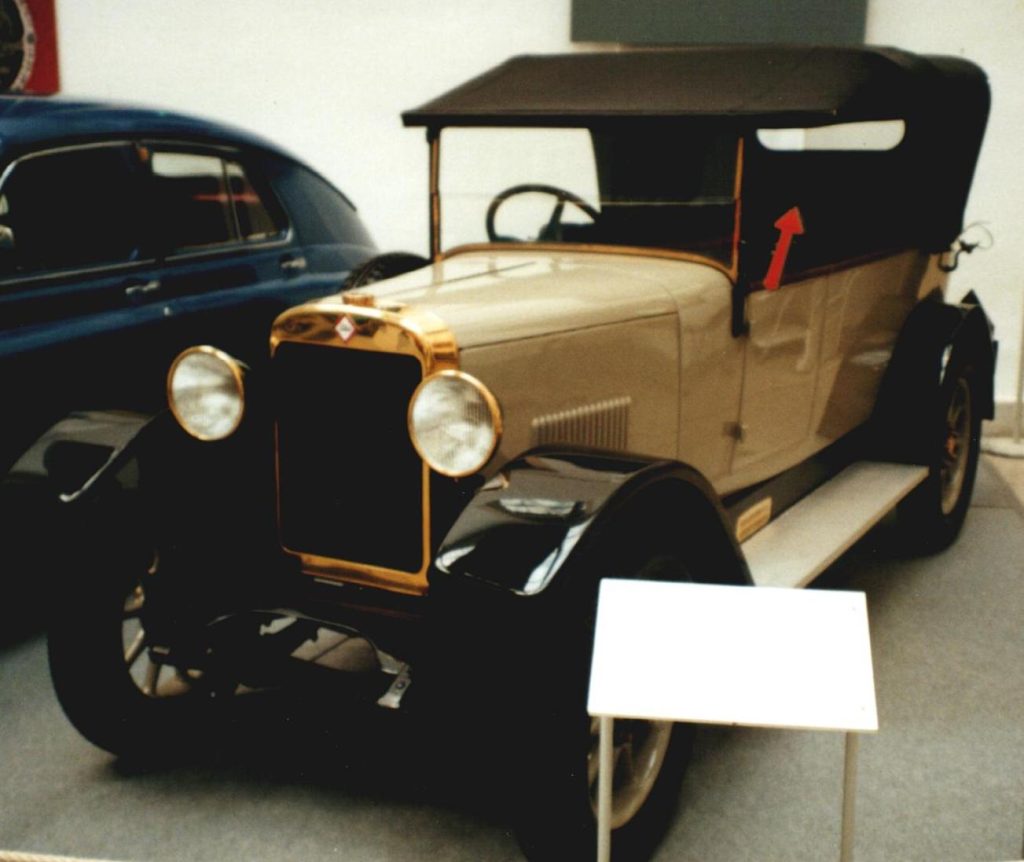
1926 Pilot
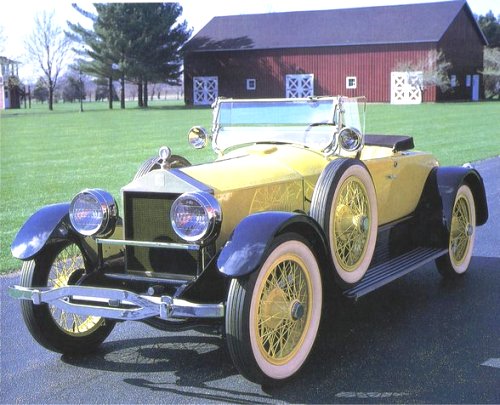
1920 Roamer Roadster
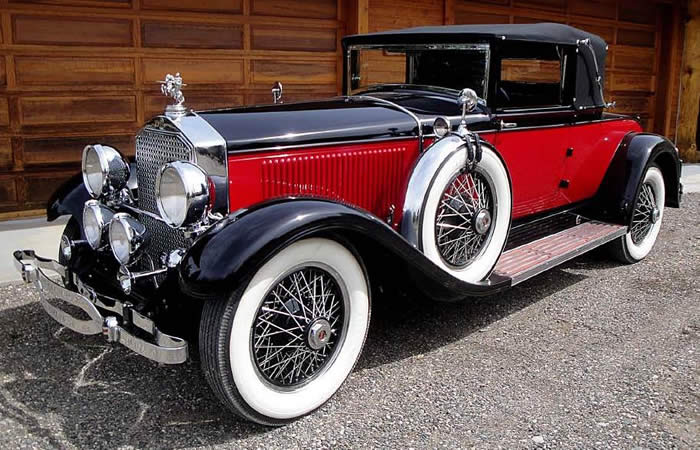
1928 Stearns Knight
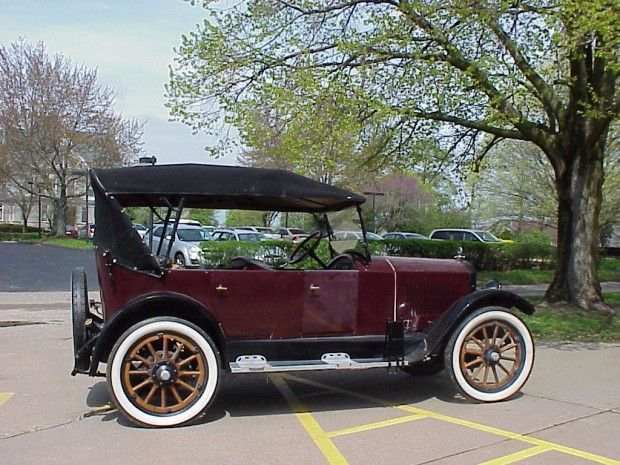
1921 Velie
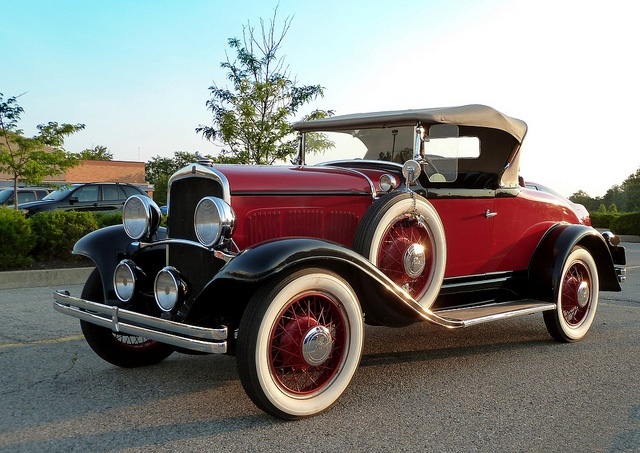
1929 DeSoto Roadster
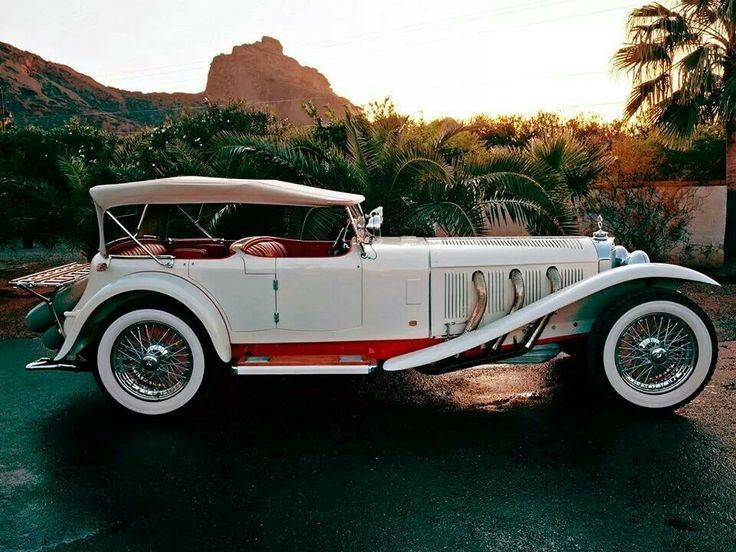
1927 Mercedes Supercharged Type-S
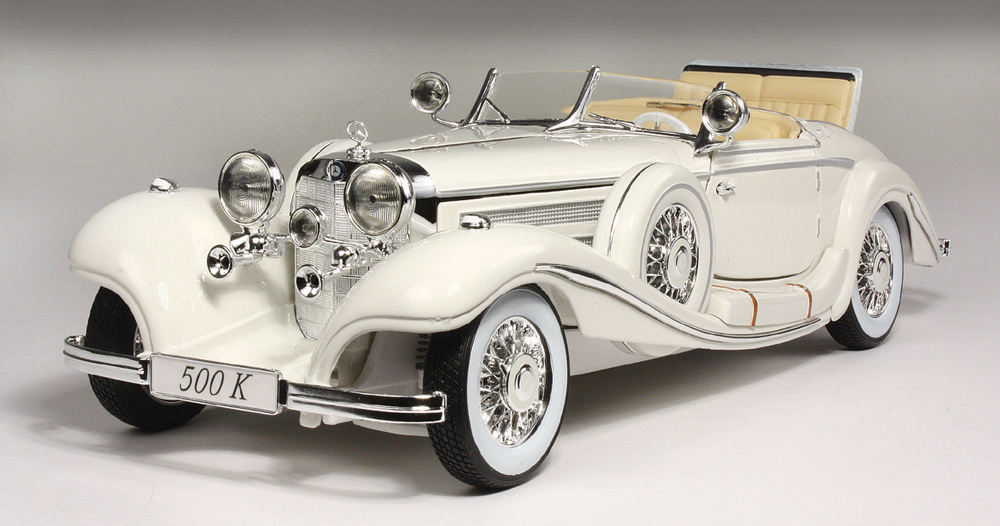
1920s Mercedes
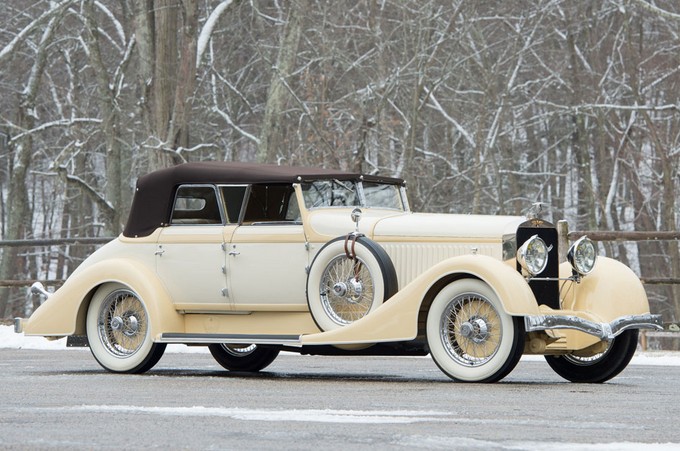
1928 Hispano-Suiza H6C Transformable Torpedo
Don’t forget to check out our other Greatest Ever Supercars and Sports Cars posts.